

Research News

Crack GPAT — Prepare for GPAT Online 
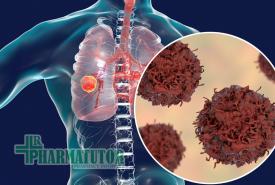
  • Researchers from the Indian Institute of Integrative Medicine (IIIM), Jammu, have identified a potent compound that has shown cancer-inhibiting activity in their primary studies on pancreatic cancer. For this compound, they have received Investigational New Drug (IND) approval from the New Drugs Division of the Central Drugs Standard Control Organization (CDSCO). It has been recognized as a potent anti-cancer, New Chemical Entity (NCE) effective against pancreatic cancer after completion of preclinical development and IND submission.

  • A team of researchers from IIT Madras, Cancer Institute, Sree Balaji Dental College and Hospital, Chennai, and Indian Institute of Science (IISc) Bengaluru have identified a specific microRNA (miRNAs) called ‘miR-155’ that is over-expressed in tongue cancer. MicroRNAs (miRNAs) are small Ribo Nucleic Acid. They are non-coding RNAs involved in the regulation of a variety of biological and pathological processes, including the formation and development of cancer. This finding is important in that molecular strategies can potentially be devised to manipulate miR-155 expression to develop therapeutics for tongue cancer.

  • The fight against Chikungunya disease has got a major boost with CEPI, the global Coalition for Epidemic Preparedness Innovations, and its Indian arm Ind-CEPI, announcing a new partnering agreement with a consortium comprising Hyderabad-based Bharat Biotech (BBIL) and the International Vaccine Institute (IVI) to promote the development of a vaccine against the disease.

  • Atriva Therapeutics GmbH, a biopharmaceutical company pioneering the development of host-targeting antiviral therapies announced a clinical strategy to treat patients with moderate to severe COVID-19 who require hospitalization. ATR-002, an oral small molecule, has been proven in preclinical trials to block viral propagation of SARS-CoV-2 and to have an immunomodulatory effect leading to a decreased cytokine and chemokine release. This dual benefit makes the MEK-inhibitor ATR-002 particularly relevant for the treatment of COVID-19.

  • A potential blood-based biomarker for Alzheimer's and other neurodegenerative diseases seems even more promising thanks to new research from a Massachusetts General Hospital-led study. According to this team's work, neurofilament light chain (NfL) has great potential as a biomarker for early detection of Alzheimer's disease and could be also useful for monitoring treatment response for that condition.

  • Caption : Human intestine, engineered in the laboratory of Tracy Grikscheit, MD.

    Babies with Hirschsprung's disease are born with an incomplete or absent gut nervous system. Children's Hospital Los Angeles investigator Tracy Grikscheit, MD, runs a laboratory that investigates the therapeutic potential of tissue engineering - the induced growth of healthy tissue using stem cells. In a new study, Dr. Grikscheit successfully grew a fully functional gut nervous system - or ENS - in a pre-clinical model. While not yet available clinically, the finding brings surgeons like Dr. Grikscheit one step closer to helping babies in need.

  • Caption : Nicotine induced defects in the frog embryo brain (center) can be rescued by transplanting an HCN2 expressing patch on the embryo far from the brain. Treated embryos are observed to have normal brain morphology and function (right). View of normal embryo head is shown at left. Similar results are seen when nicotine-exposed embryos are treated with ionoceutical drugs. (FB = forebrain; MB = midbrain; HB = hindbrain)

    Researchers led by biologists at Tufts University have discovered that the brains of developing frog embryos damaged by nicotine exposure can be repaired by treatment with certain drugs called "ionoceuticals" that drive the recovery of bioelectric patterns in the embryo, followed by repair of normal anatomy, gene expression and brain function in the growing tadpole. The research, published today in Frontiers in Neuroscience, introduces intervention strategies based on restoring the bioelectric "blueprint" for embryonic development, which the researchers suggest could provide a roadmap for the exploration of therapeutic drugs to help repair birth defects.

Subscribe to Research News