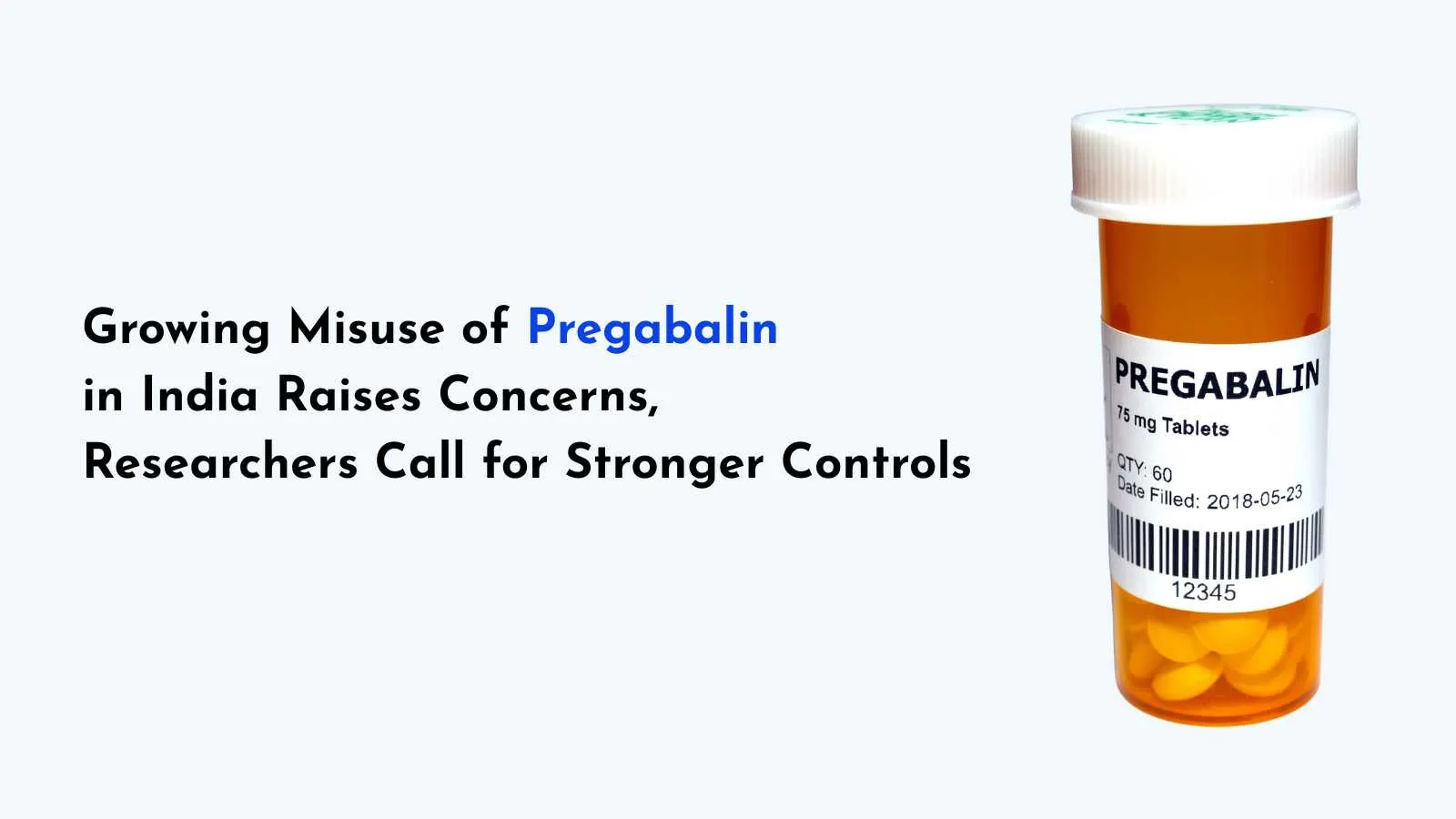
A commonly prescribed medicine used for neuropathic pain, epilepsy, and anxiety disorders is increasingly coming under scrutiny due to its growing misuse and dependence potential. A recent study published in the Indian Journal of Medical Research (IJMR) has highlighted the rising pattern of pregabalin misuse in India and emphasized the urgent need for regulatory and public health interventions.
Pregabalin, widely prescribed for nerve pain and certain neurological conditions, has long been considered relatively safe when used appropriately. However, researchers found increasing evidence that the drug is being consumed for non-medical purposes, often in higher-than-recommended doses to achieve euphoric or sedative effects.
The study analyzed adverse drug reaction reports from VigiBase, the World Health Organization’s global pharmacovigilance database, which contains millions of reports submitted by countries worldwide. The findings revealed a substantial number of reports related to pregabalin abuse, misuse, dependence, and withdrawal symptoms, indicating that the problem is not limited to a few isolated cases.
The scale of the problem becomes clearer when looking at the data. Researchers identified 8,058 pregabalin abuse-related reports globally from the WHO's VigiBase database between 2011 and 2024. In India, 50 cases of pregabalin misuse and abuse were reported, with a striking 94% classified as serious adverse events. More than half of the affected individuals (54%) required prolonged hospitalization, while the majority of cases involved young adults aged 18–44 years (72%) and were overwhelmingly reported in men (90%). Globally, intentional product misuse accounted for 44.2% of abuse-related reports, followed by intentional product use issues (27.3%) and drug abuse (21.1%). The findings suggest that although the number of reported cases in India remains relatively small, the severity of outcomes is alarmingly high, making pregabalin misuse an emerging public health concern.
Researchers noted that while several countries, including the United States, the United Kingdom, and Australia, regulate pregabalin as a controlled or prescription-only medicine, India has historically had fewer restrictions on its availability. This easier access may contribute to the increasing misuse of the drug, particularly among individuals with a history of substance use disorders.
Experts warn that misuse of pregabalin can lead to dependence, tolerance, and withdrawal symptoms when the drug is discontinued abruptly. The risk appears to be higher when pregabalin is used alongside opioids or other psychoactive substances, a combination that can increase the likelihood of serious health complications.
The authors have called for stronger monitoring of pregabalin prescriptions, improved awareness among healthcare professionals, and tighter regulatory oversight to prevent diversion and misuse. They also stress the importance of educating patients about the potential risks associated with unsupervised or prolonged use of the medication.
With reports of pregabalin abuse emerging from multiple regions of the country and growing international concern over gabapentinoid misuse, the study serves as an important warning for policymakers and healthcare providers. Researchers believe that timely intervention can help balance the drug’s legitimate therapeutic benefits while minimizing its potential for abuse and dependence.