
Research News

Crack GPAT — Prepare for GPAT Online 
  • New Study Concludes Xlear Kills and/or Deactivates SARS-CoV-2

    A new in vitro study done collaboratively by Utah State University and Northwestern University finds Xlear components (grapefruit seed extract and xylitol) significantly eliminates SARS-CoV-2, the virus that causes COVID-19. The imaging research study component was performed at the BioCryo facility of Northwestern University’s NUANCE Center.

  • Massey researchers review geographic factors that affect HPV vaccination rates

    Human papillomavirus (HPV) is the most common sexually transmitted infection, with an estimated 79 million Americans currently infected with the virus, according to the Centers for Disease Control and Prevention. If a high-risk HPV infection does not go away, it can lead to the development of a variety of cancers, including 91% of all cervical cancers, 70% of oropharyngeal cancers and cancers of the vulva, vagina, penis and anus.

  • New combo therapy for head and neck cancer : Researcher

    Head and neck cancer is the sixth most common cancer worldwide, and while effective treatments exist, sadly, the cancer often returns.

    Researchers at the University of Cincinnati have tested a new combination therapy in animal models to see if they could find a way to make an already effective treatment even better.

    Since they're using a Food and Drug Administration-approved drug to do it, this could help humans sooner than later.

  • Hematopoietic Stem Cell Transplants May Provide Long-Term Benefit for People with MS

    A new study shows that intense immunosuppression followed by a hematopoietic stem cell transplant may prevent disability associated with multiple sclerosis (MS) from getting worse in 71% of people with relapsing-remitting MS for up to 10 years after the treatment. The research is published in the January 20, 2021, online issue of Neurology®, the medical journal of the American Academy of Neurology. The study also found that in some people their disability improved over 10 years after treatment.

  • Potential COVID-19 Drug Is Successful in Lab Study

    A new potential therapy for COVID-19 developed by researchers at Rush University Medical Center has shown success in preventing the disease’s symptoms in mice.

  • Sunbathing after menopause may be harmful

    UV-radiation can affect hormone levels of postmenopausal women negatively and this may contribute to several health issues.
    The concentration of oestrogens in the blood affects a woman’s health in many ways. For example, oestrogens contribute to a strong bone structure and help wounds heal more quickly.

    “When a woman reaches menopause, we see the levels of oestrogens decline and an increase of other hormones, called gonadotropins”, says Kai Triebner at the University of Bergen.

  • Nasal COVID-19 vaccine could soon be a reality

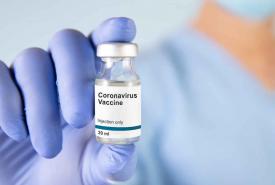
    In a significant development, Bharat Biotech has sought Drug Controller General India's (DCGI) approval to conduct nasal COVID-19 vaccine trials in India. The company has developed a new single-dose nasal COVID-19 vaccine in a partnership with Washington University in St Louis, USA. There are no intra-nasal COVID-19 vaccines under trial in India at the moment.

  • How viruses escape the immune system

    One reason it’s so difficult to produce effective vaccines against some viruses, including influenza and HIV, is that these viruses mutate very rapidly. This allows them to evade the antibodies generated by a particular vaccine, through a process known as “viral escape.”

  • Taurine helps to prevent Bacterial Infection

    Scientists studying the body’s natural defenses against bacterial infection have identified a nutrient taurine that helps the gut recall prior infections and kill invading bacteria, such as Klebsiella pneumoniae (Kpn). The finding, published in the journal Cell by scientists from five institutes of the National Institutes of Health, could aid efforts seeking alternatives to antibiotics.

  • Novel coronavirus found in air samples : CCMB study

    Airborne transmission of the novel coronavirus is possible under certain conditions, cautions a study undertaken by the Centre for Cellular and Molecular Biology (CCMB). The research was conducted to determine the transmission pattern of the virus in various enclosures in hospitals to assess the risks posed to healthcare workers. Air samples were collected from hospitals in Hyderabad and Mohali for the study.

Subscribe to Research News