

Research News

  • Wearable Hydrogel Breakthrough for Real-Time Cardio & Respiration Tracking

    Scientists have developed an advanced MXene-based wearable hydrogel sensor capable of continuous heart rate and respiratory monitoring under extreme conditions such as high heat, humidity and vigorous exercise.

  • Scientists Decode How Cancer Cells Evade the Immune System, Opening Doors for Future Therapies
    Scientists Decode How Cancer Cells Evade the Immune System, Opening Doors for Future Therapies

    An international team of researchers has uncovered a crucial mechanism that allows certain cancer cells to hide from the body’s immune defenses, a discovery that could reshape future cancer treatments. The study, led by scientists at Julius-Maximilians-Universität Würzburg (JMU) in collaboration with partners in the United States, reveals how the powerful cancer-driving protein MYC not only fuels tumor growth but also helps tumors remain undetected by the immune system.

  • Heavy Lifetime Alcohol Use Linked to Higher Colorectal Cancer Risk, New Research Shows
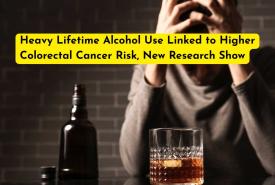
    Heavy Lifetime Alcohol Use Linked to Higher Colorectal Cancer Risk, New Research Shows

    A new epidemiological study reported today finds that consistent heavy alcohol consumption over a lifetime is associated with a significantly increased risk of colorectal cancer, particularly rectal cancer, while reducing or quitting drinking may lower that risk. The findings were published online in the peer-reviewed journal Cancer.

  • New Gut Protein Intelectin-2 Shows Promise as Natural Antimicrobial Defender
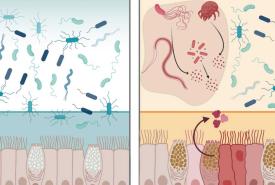
    New Gut Protein Intelectin-2 Shows Promise as Natural Antimicrobial Defender
    Scientists have discovered an important protein in the human gut that can help protect the body from many harmful bacteria. This protein, called intelectin-2, acts as both a defensive barrier-builder and a bacteria-fighting molecule offering new insights into how the body defends itself at mucosal surfaces and pointing to possible future treatments against infections and antibiotic-resistant microbes.
  • Dual-Drug Breakthrough: A new pathway to treat Liver Fibrosis
    Dual-Drug Breakthrough: A new pathway to treat Liver Fibrosis
    Researchers have identified a promising new treatment strategy for liver fibrosis, a chronic condition that can lead to cirrhosis and liver cancer, by combining two well-known drugs. Preliminary findings suggest that using silybin together with carvedilol produces a powerful synergistic effect significantly stronger than either drug alone, against the cellular processes that drive scar tissue formation in the liver.
  • Infant gut molecules offer clues to type 1 Diabetes risk
    Infant gut molecules offer clues to type 1 Diabetes risk
    In a groundbreaking study, scientists have uncovered a new class of gut-derived molecules in infancy that could reshape how researchers understand the development of type 1 diabetes. The international research team, led by experts at the University of Turku and Örebro University, investigated stool samples from more than 300 children between the ages of 3 and 36 months, all of whom had a genetic predisposition for type 1 diabetes.
  • Breakthrough study finds traditional Medicinal Fungus shows strong antidiabetic potential
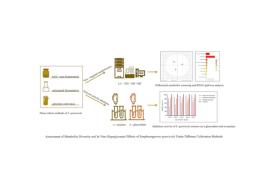
    Breakthrough study finds traditional Medicinal Fungus shows strong antidiabetic potential

    A new peer-reviewed study has revealed that Sanghuangporus quercicola, a medicinal fungus long used in traditional practices across Asia, produces significantly varied secondary metabolites under different cultivation conditions, with notable in vitro antidiabetic activity emerging from the analyses.

  • Enveric Biosciences Secures Key U.S. Patent to Broaden Neuropsychiatric Drug Pipeline
    Enveric Biosciences Secures Key U.S. Patent to Broaden Neuropsychiatric Drug Pipeline
    Enveric Biosciences, a biotechnology company developing next-generation small-molecule neuroplastogenic therapeutics, announced the issuance of a significant new U.S. patent that enhances its intellectual property portfolio and expands opportunities for advancing treatments in mental health disorders.
  • New Research Identifies Dihydrotanshinone I as a Potential Therapeutic Agent for Ovarian Cancer by Targeting SORT1
    New Research Identifies Dihydrotanshinone I as a Potential Therapeutic Agent for Ovarian Cancer by Targeting SORT1

    A recent study published in Engineering has shed light on the potential therapeutic effects of dihydrotanshinone I (DHT), a compound derived from the traditional Chinese herb Salvia miltiorrhiza, on ovarian cancer. The research, conducted by a team from Zhejiang Chinese Medical University and Jiangsu Normal University, reveals that DHT can induce autophagic cell death in ovarian cancer cells by disrupting the sortilin 1 (SORT1)-mediated autophagy–lysosome pathway.

  • New Global Study Questions Tramadol Use for Long-Term Pain Relief
    New Global Study Questions Tramadol Use for Long-Term Pain Relief
    A new large systematic review published this week has raised important questions about the safety and effectiveness of tramadol, a widely prescribed opioid for chronic pain relief. The study, published online ahead of print in BMJ Evidence-Based Medicine, finds that while tramadol does reduce pain compared with placebo, the benefit is small and may not be clinically meaningful for many patients.
Subscribe to Research News