
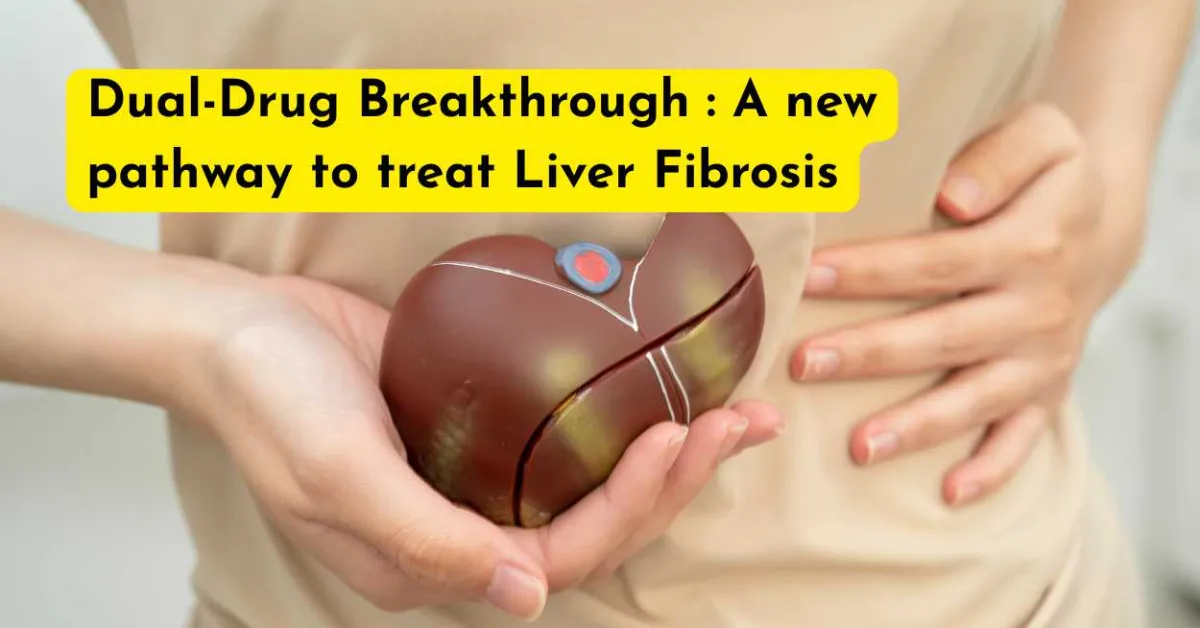
Researchers have identified a promising new treatment strategy for liver fibrosis, a chronic condition that can lead to cirrhosis and liver cancer, by combining two well-known drugs. Preliminary findings suggest that using silybin together with carvedilol produces a powerful synergistic effect significantly stronger than either drug alone, against the cellular processes that drive scar tissue formation in the liver. This breakthrough could mark an important step toward an effective therapy for a disease that currently has no approved drugs specifically targeting fibrosis.
Liver fibrosis develops when long-term injury from viral hepatitis, alcohol misuse, metabolic disorders, toxins, or autoimmune reactions triggers the liver’s wound-healing response. This leads to excessive buildup of scar tissue, largely driven by activated hepatic stellate cells (HSCs). These cells produce collagen and other fibrotic proteins, eventually compromising liver structure and function. Because fibrosis arises from multiple overlapping biological pathways, treatments targeting a single mechanism have historically shown limited clinical success.
In the new research, scientists used a phenotype-based screening approach to test how hundreds of FDA-approved drugs might enhance the effects of silybin—a natural compound traditionally used for liver health. Among the tested agents, carvedilol, a drug commonly prescribed for heart conditions, emerged as the most potent partner in suppressing the activation of HSCs when used alongside silybin.
Subsequent laboratory and animal experiments revealed that this fixed-dose combination (approximately 50:1 of silybin to carvedilol) markedly reduces liver scarring and inflammation more effectively than either drug alone. The duo works by jointly inhibiting the Wnt4/β-catenin signaling pathway, a key driver of the fibrotic process in hepatic stellate cells.
A major advantage of this discovery is that both silybin and carvedilol are already widely used and have established safety profiles. This means the therapy could potentially move faster into clinical trials compared with entirely new drugs. If validated in humans, the combination could finally address a significant unmet medical need for effective antifibrotic treatment.
Beyond its clinical promise, this research highlights the value of drug repurposing and rational combination therapy in tackling complex diseases like liver fibrosis—where a multi-targeted approach may be key to success.