
Scientists have discovered an important protein in the human gut that can help protect the body from many harmful bacteria. This protein, called intelectin-2, acts as both a defensive barrier-builder and a bacteria-fighting molecule offering new insights into how the body defends itself at mucosal surfaces and pointing to possible future treatments against infections and antibiotic-resistant microbes.
Intelectin-2 is a lectin protein, a type of molecule that can bind to specific sugars on cell surfaces. It is naturally produced in the gastrointestinal (GI) tract and plays a vital role in protecting the body’s mucosal surfaces where microbes try to invade.
Researchers from the Massachusetts Institute of Technology (MIT) and collaborators published their findings in Nature Communications, revealing that intelectin-2 is not just a structural support for mucus but also directly fights bacteria.
The study shows that intelectin-2 works in two complementary ways:
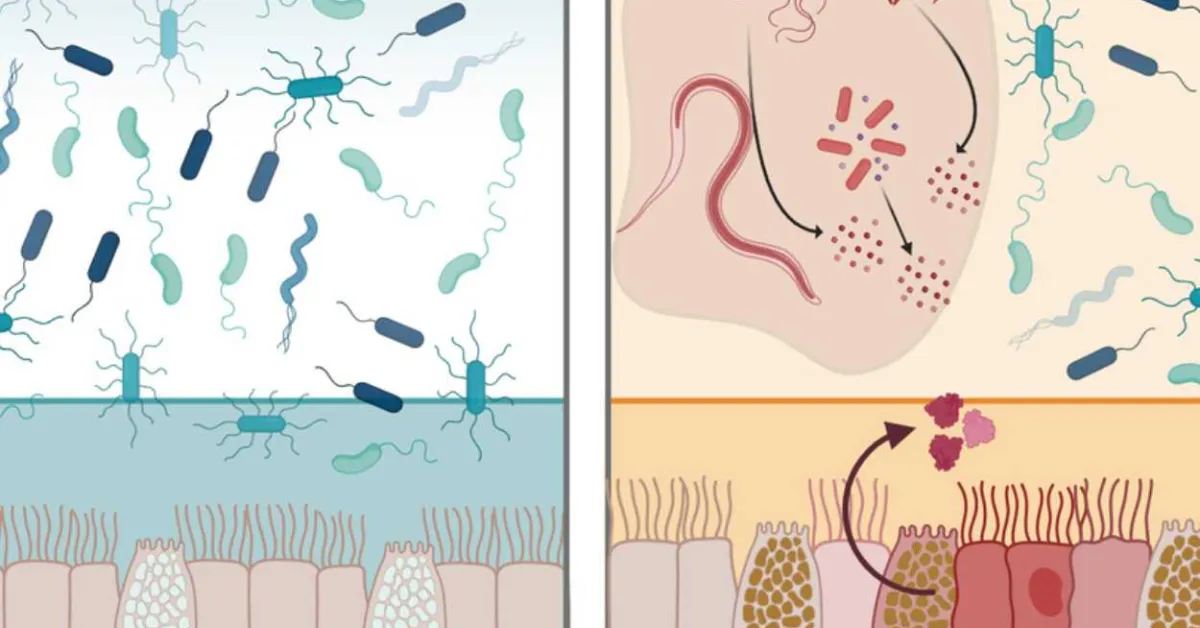
Strengthening the Mucus Barrier: Intelectin-2 binds to sugar molecules called galactose on mucins, the proteins that make up mucus. This helps crosslink and stabilize the mucus layer, reinforcing the physical barrier that keeps microbes out.
Direct Antimicrobial Action: When harmful bacteria try to breach the mucus, intelectin-2 can bind to sugar structures on their surface. After binding, these bacteria can become trapped and eventually lose viability, meaning they are hindered from growing and can even be killed over time. This activity affects a wide range of bacteria, including both gram-positive and gram-negative strains.
Many bacteria that intelectin-2 can bind and control include pathogens involved in gut infections. Some of these harmful microbes such as Staphylococcus aureus and Klebsiella pneumoniae, are hard to treat with antibiotics, so intelectin-2’s natural antimicrobial activity is noteworthy. Research suggests intelectin-2 could potentially be developed as a therapeutic agent or biological tool to enhance mucosal defenses, especially for patients with inflammatory bowel diseases or compromised barriers.
The research team explored how intelectin-2 interacts with both mucus glycoproteins and bacterial cells. They found that the protein’s ability to link with carbohydrates on mucins helps reinforce the mucus, while its sugar-binding on microbial surfaces limits bacterial colonization and survival.
This dual role underscores how the innate immune system can manage microbial threats by combining physical protection with biochemical targeting, a strategy that may be more effective than relying on antibiotics alone.
Scientists believe that understanding and harnessing proteins like intelectin-2 could open up new ways to prevent and treat infections without antibiotics. This could be a crucial step in fighting antimicrobial resistance (AMR), a major global health challenge. Further research is needed to explore how intelectin-2 could be used in clinical settings, but the findings provide a solid foundation for future drug development and biological therapies.