A new peer-reviewed study has revealed that Sanghuangporus quercicola, a medicinal fungus long used in traditional practices across Asia, produces significantly varied secondary metabolites under different cultivation conditions, with notable in vitro antidiabetic activity emerging from the analyses.
The research, published in Systems Microbiology and Biomanufacturing and recently featured in an international science news release, represents the first comprehensive investigation into how cultivation strategies influence the biochemical composition of S. quercicola and its potential therapeutic properties.
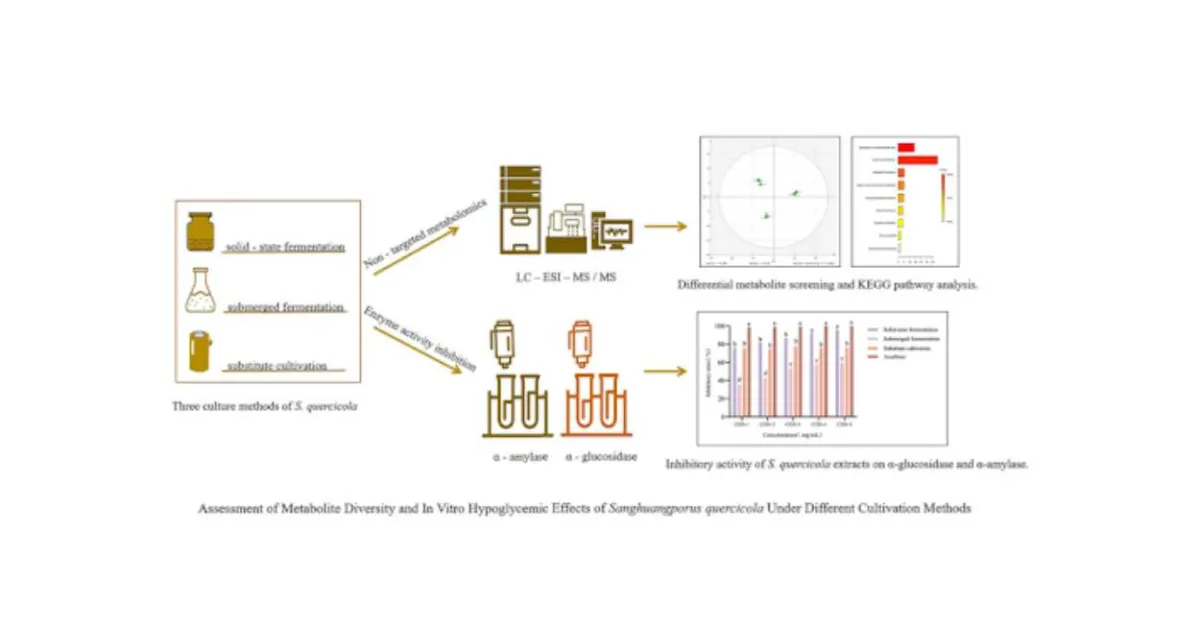
Researchers applied advanced metabolomic technologies to profile the diversity of bioactive compounds produced when the fungus was grown under varying conditions. They identified significant differences in the production of flavonoids, terpenoids, phenolic acids and polysaccharides, all of which contribute to the organism’s complex secondary metabolite repertoire.
The study’s findings demonstrate that culture conditions are major determinants of secondary metabolite synthesis. Certain cultivation environments selectively enhanced the production of compounds linked with health-promoting properties, whereas other methods produced a broader range of chemical diversity. This insight may guide future efforts to optimize fungal cultivation for pharmaceutical applications.
Most strikingly, extracts of S. quercicola grown under specific culture regimes exhibited significant inhibitory activity against α-glucosidase and pancreatic lipase in lab tests. These two mechanisms are central to regulating postprandial blood glucose levels and fat digestion, respectively, suggesting potential relevance for diabetes management strategies.
Scientists behind the research emphasize that this work not only deepens understanding of S. quercicola biochemistry but also provides a blueprint for enhancing production of therapeutic metabolites via controlled cultivation. They note that while the current results are derived from in vitro analyses, they lay essential groundwork for future investigations and possible in vivo studies aimed at validating the fungus’s health benefits.
As diabetes continues to affect populations globally, innovations that harness natural products and traditional medicinal resources like Sanghuangporus quercicola may open new avenues for complementary therapies rooted in biological diversity and precision cultivation.