Our research institutions are increasingly translating their knowledge into challenging and useful applications. This product from JNCASR is a compelling example of that”- Prof Ashutosh Sharma, Secretary, DST

Our research institutions are increasingly translating their knowledge into challenging and useful applications. This product from JNCASR is a compelling example of that”- Prof Ashutosh Sharma, Secretary, DST
A new study in Neuron offers clues to why autism spectrum disorder (ASD) is more common in boys than in girls. National Institutes of Health scientists found that a single amino acid change in the NLGN4 gene, which has been linked to autism symptoms, may drive this difference in some cases. The study was conducted at NIH’s National Institute of Neurological Disorders and Stroke (NINDS).
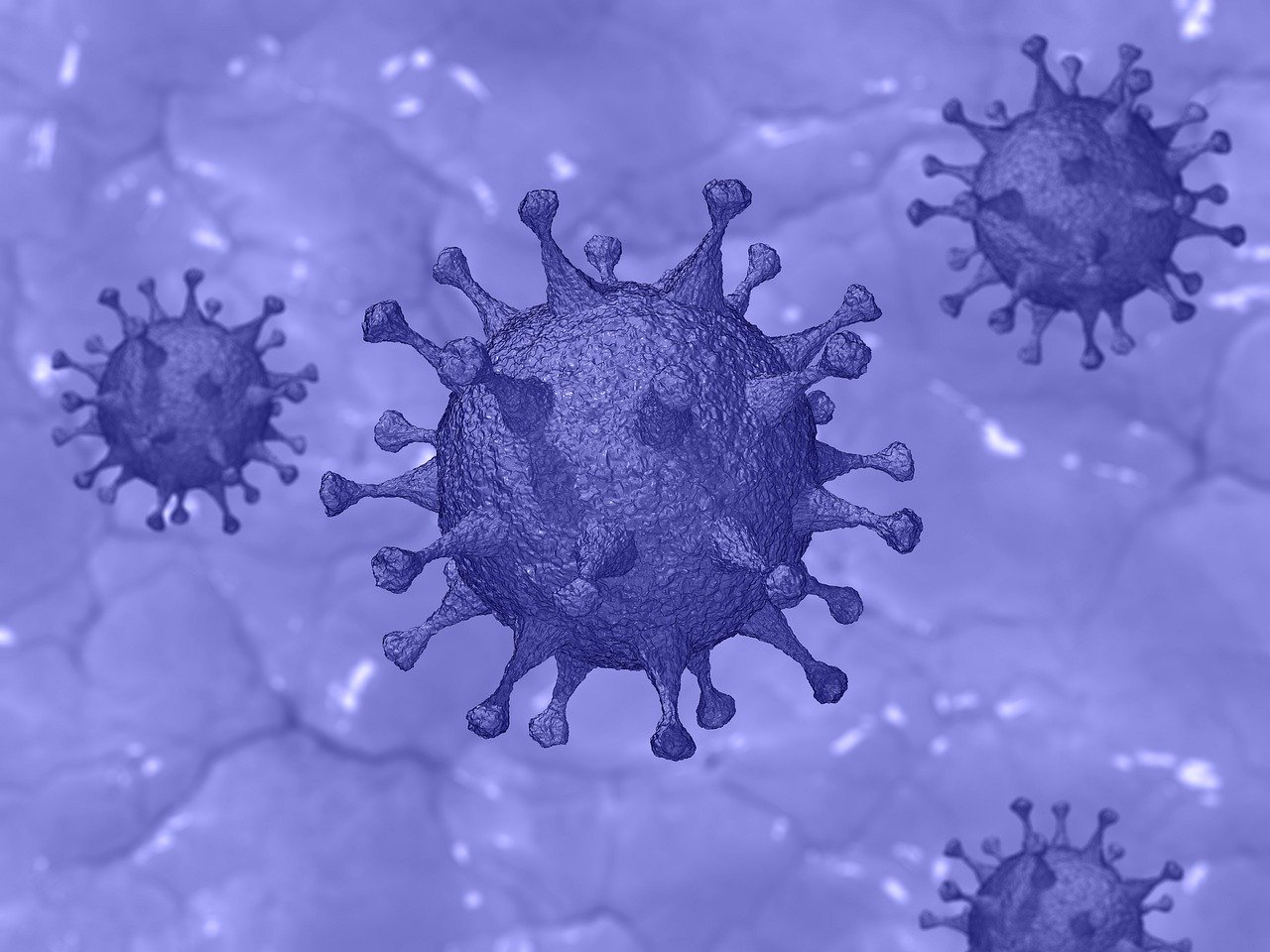
The U.S. Food and Drug Administration continues to play a critical role in accelerating medical countermeasures to treat and prevent COVID-19. As part of the response to this pandemic, the agency is taking the lead on a national effort to facilitate the development of, and access to, two investigational therapies derived from human blood. These are called convalescent plasma and hyperimmune globulin and are antibody-rich blood products made from blood donated by people who have recovered from the virus.
An international collaboration of virologists at the University of Wisconsin–Madison and the vaccine companies FluGen and Bharat Biotech has begun the development and testing of a unique vaccine against COVID-19 called CoroFlu.
The tuberculosis (TB) vaccine, Bacillus Calmette-Guerin (BCG), could be a potential weapon in combatting the deadly coronavirus according to findings published by NYIT College of Osteopathic Medicine (NYITCOM) researchers, led by Gonzalo Otazu, Ph.D., assistant professor of biomedical sciences.
Indian Researcher from University of Hyderabad has developed potential vaccine candidate for COVID-19 (novel corona virus). The potential vaccine candidate is active against all the structural and non-structural proteins of COVID-19.

The COVID-19 pandemic is throwing up unique challenges for health systems. It presents particular challenges for patients who receive regular haemodialysis. These patients with damaged kidneys, also known as uremic patients, are particularly vulnerable to infection and may exhibit greater variations in clinical symptoms and infectivity.
Scientists from France conducted a small clinical trials and reported that hydroxychloroquine, an antimalarial medicine, treatment is significantly associated with viral load reduction or disappearance in COVID-19 patients and they also reported that azithromycin along with hydroxychloroquine can faster the recovery.
In the early days of a COVID‐19 infection outbreak, pediatric patients were rather rare, who were thought to be not susceptible to it. However, along with the emerging of familial aggregation, children suffered from COVID‐19 infection were gradually appeared. It is reported by researchers that Clinical and CT (computed tomography) features in pediatric patients with COVID‐19 infection are different than adults. The study was conducted by Dr. Jianbo Shao, MD, Department of Imaging Center, Wuhan Children's Hospital and team. And it is published in Pediatric Pulmonology on 5th March, 2020.
Transfusion of red blood cells (RBCs) is a life-saving treatment for numerous conditions such as severe anaemia, injury-related trauma, supportive care in cardiovascular surgery, transplant surgery, pregnancy-related complications, solid malignancies and blood-related cancers.
CLICK HERE TO SUBSCRIBE,
PHARMATUTOR's DAILY EMAILS
Do Not Forget to Verify
(Click on Subscription link in your inbox)
--------