

Research News

Crack GPAT — Prepare for GPAT Online 
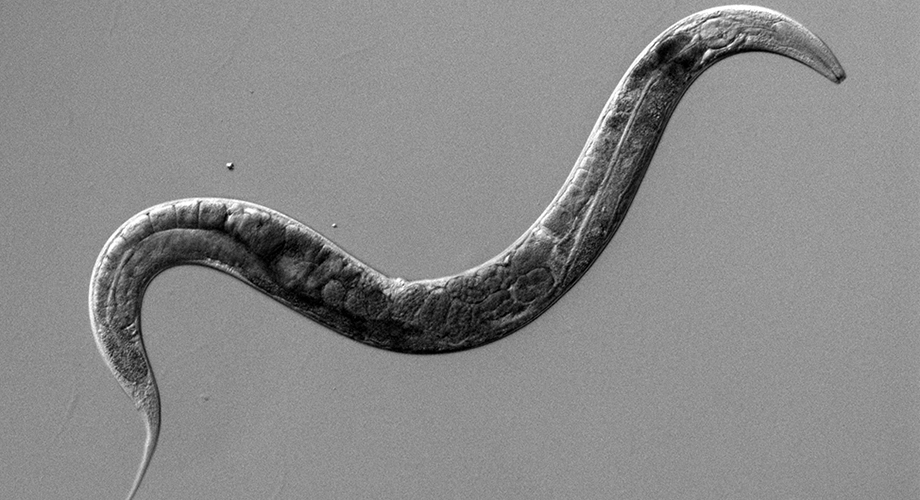
  • Detection of malaria infection could become more accurate soon. A team of researchers from Indian Council of Medical Research’s Jabalpur-based National Institute of Research in Tribal Health (NIRTH) has identified a genetic sequence in the body of malaria parasite that promises to help develop a more sensitive diagnostic test for the disease. 

  • A class of immune cells called innate lymphoid cells (ILCs) mediates the body’s initial defense against tuberculosis (TB), according to a report published online today in Nature. Boosting this response may provide a new approach to developing treatments and vaccines against TB, which causes more deaths worldwide than any other single infectious disease. The research was supported in part by the National Institute of Allergy and Infectious Diseases (NIAID), a component of the National Institutes of Health.  It was conducted by scientists at Washington University School of Medicine in St. Louis in collaboration with scientists at the Africa Health Research Institute in KwaZulu-Natal, South Africa, and other institutions.

  • Youth who said they were teased or ridiculed about their weight increased their body mass by 33% more each year, compared to a similar group who had not been teased, according to researchers at the National Institutes of Health. The findings appear to contradict the belief that such teasing might motivate youth to change their behavior and attempt to lose weight. The study was conducted by Natasha A. Schvey, Ph.D., of the Uniformed Services University of the Health Sciences in Bethesda, Maryland, and colleagues at NIH’s Eunice Kennedy Shriver National Institute of Child Health and Human Development. It appears in Pediatric Obesity.

    (adsbygoogle = window.adsbygoogle || []).push({});
  • A protein from Simian Immunodeficiency Virus (SIV), which can infect monkeys and apes, has shown promise as a potential component of a vaccine against Human Immunodeficiency Virus (HIV), in a new study from scientists at Scripps Research in La Jolla, California.

  • A new drug that inhibits neonatal seizures in rodent models could open up new avenues for the treatment of epilepsy in human newborns. Researchers have identified that gluconate a small organic compound found in fruit and honey acts as an anticonvulsant, inhibiting seizures by targeting the activity of channels that control the flow of chloride ions in and out of neonatal neurons. A paper describing the research, from an international team of scientists led by Penn State researchers, appears May 15, 2019 in the journal Molecular Brain.

  • A clinical trial to evaluate long-acting antiretroviral therapy (ART) for maintaining HIV suppression in people for whom adhering to conventional daily oral ART has been a challenge has begun at research sites across the United States. The study, called Long-Acting Therapy to Improve Treatment Success in Daily Life, or LATITUDE, will help determine whether a combination of two experimental injectable formulations of ART are superior to conventional oral ART in managing HIV infection in this population.

Subscribe to Research News