Research News
-
-
-
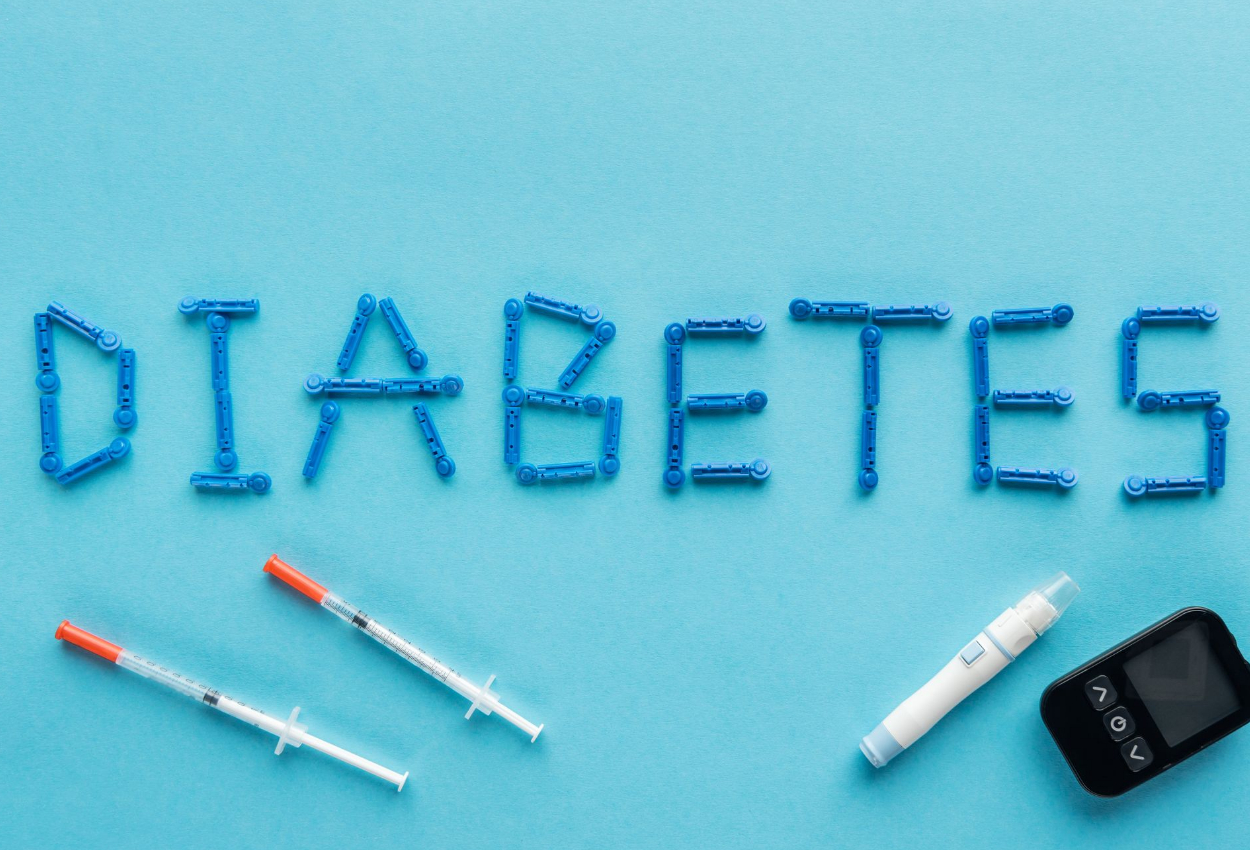
Researchers from the Indian Institute of Technology Mandi have unravelled the mechanism by which insulin overload in the body causes insulin resistance that is associated with diabetes. They have found the drug that is used in treating opioid addiction can potentially reverse this phenomenon.
-

Research presented at EADV's 29th Congress, EADV Virtual, shows hope that a form of vitamin B3 could protect skin cells from the effects of ultraviolet (UV) exposure: the main risk factor for non-melanoma skin cancers.
-
-
-
Ancient embedded elements in our DNA from generations past can activate a powerful immune response to kill cancer cells like an infection.
-
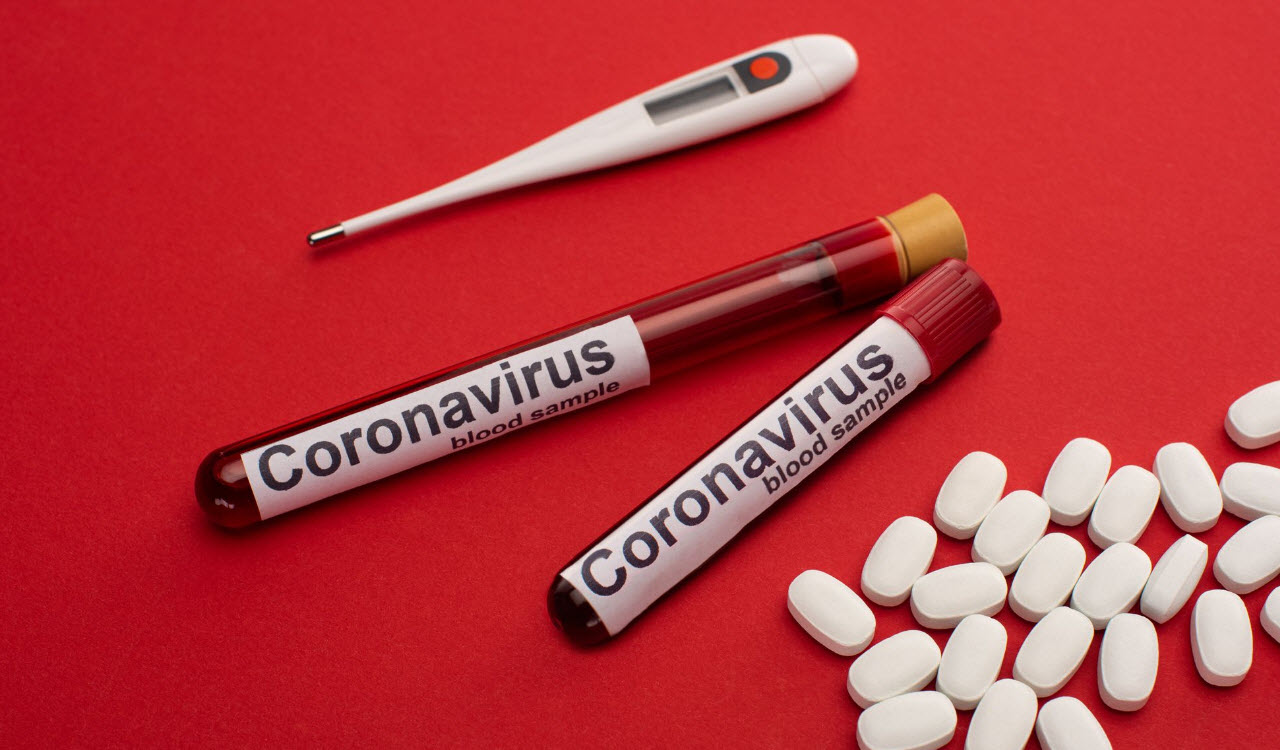
Knowing you have developed antibodies against the SARS-CoV-2 virus after recovering from COVID-19 doesn't tell you everything about your immunity. The levels and even types of antibodies can differ among patients, and those differences can influence whether a person is protected against being reinfected.
-
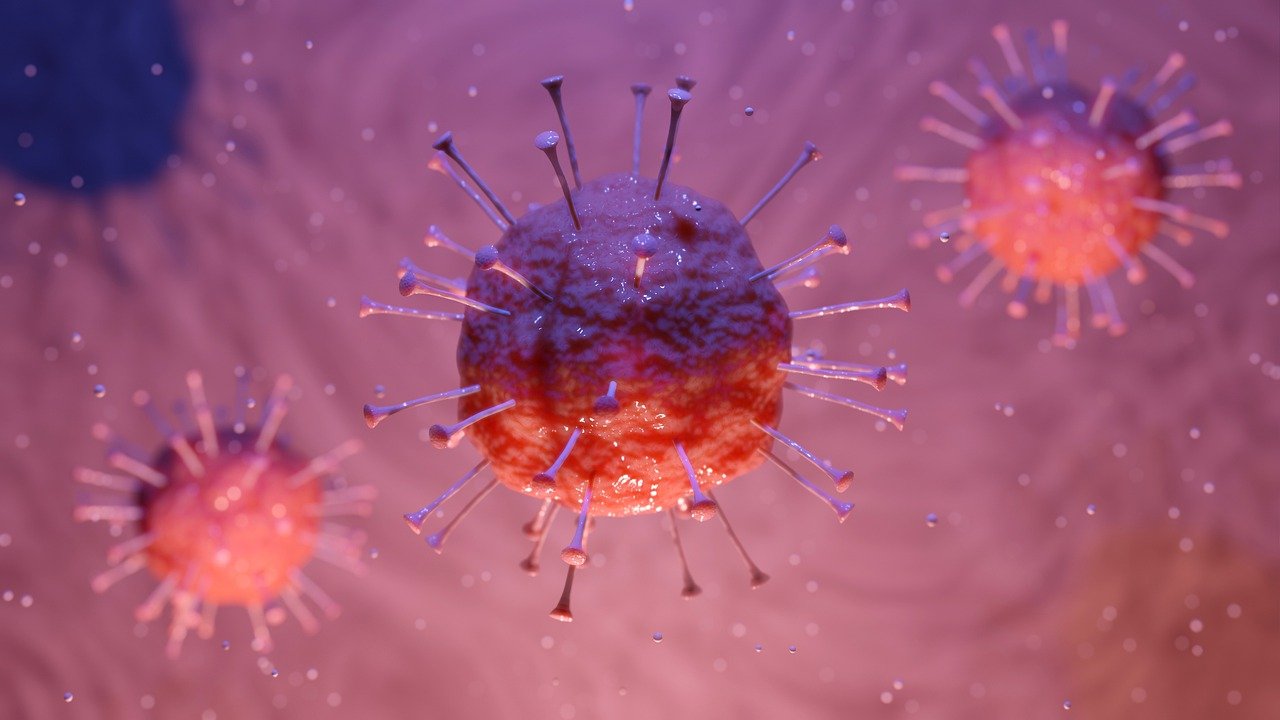
COVID-19 continues to wreak havoc globally, with over one million deaths to date. Yet what if an existing vaccine could make COVID-19 less deadly? A study just published put the theory to test, with promising results.
-

A recent study by scientists from University of Connecticut has revealed that the Ultra Violet (UV) light, in particular, is associated with decreased disease growth rate relative to other analyzed factors.


RECOMMENDED POSTS
Subscribe with us
CLICK HERE TO SUBSCRIBE,
PHARMATUTOR's DAILY EMAILS
Do Not Forget to Verify
(Click on Subscription link in your inbox)
--------