
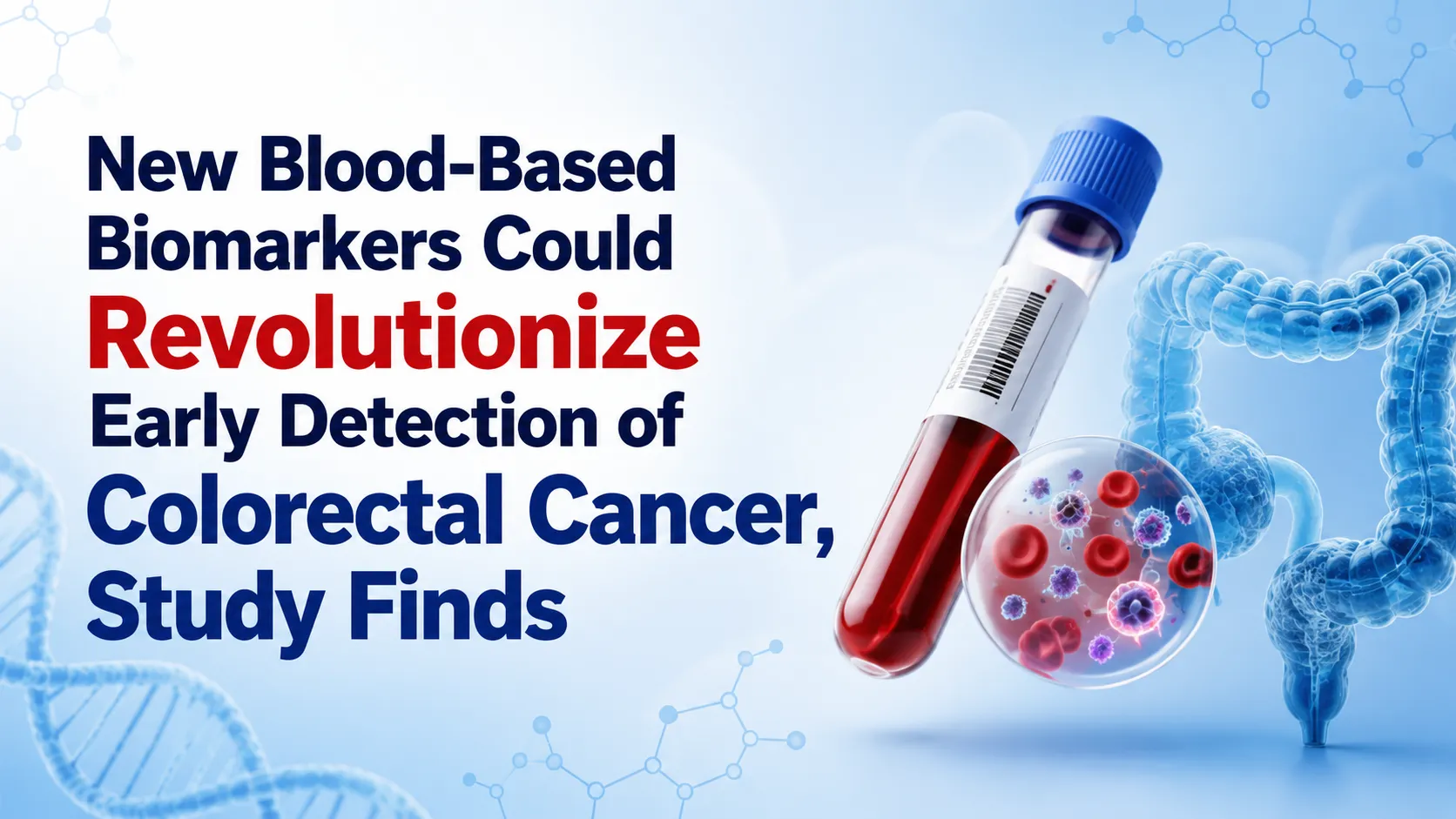
A new scientific review has highlighted the growing potential of liquid biomarkers to transform the early detection, diagnosis, and treatment monitoring of colorectal cancer (CRC), offering a less invasive alternative to traditional screening methods such as colonoscopy.
The review, published in the journal Clinica Chimica Acta by researchers from the University of Sharjah, examined studies published between 2010 and 2025 and concluded that emerging biomarker technologies could significantly improve colorectal cancer screening while supporting more personalized treatment strategies.
Moving Beyond Traditional Screening
Colorectal cancer is currently the third most commonly diagnosed cancer worldwide and the second leading cause of cancer-related deaths, according to the World Health Organization (WHO). While conventional screening methods, including colonoscopy and stool-based tests, have played a major role in reducing mortality, they still present important challenges.
Colonoscopy is considered the gold standard for diagnosis but requires bowel preparation, sedation, and an invasive procedure, which can discourage many individuals from participating in routine screening. Stool-based tests, although non-invasive, often face issues related to patient compliance and variable diagnostic performance.
Researchers believe that liquid biomarkers detected from blood or stool samples could provide a simpler, more patient-friendly approach to identifying colorectal cancer at much earlier stages.
Emerging Biomarkers Show Strong Clinical Promise
The review highlights several promising biomarker technologies that are rapidly advancing colorectal cancer research, including:
* Circulating tumor DNA (ctDNA)
* MicroRNAs (miRNAs)
* Genomic biomarkers
* Epigenetic markers
* Gut microbiome signatures
* Proteomic biomarkers
* Metabolomic biomarkers
Advances in molecular biology and multi-omics technologies have enabled scientists to identify these biomarkers, which may help detect colorectal cancer before symptoms develop, monitor treatment response, and support personalized therapeutic decisions.
Comprehensive Review of Scientific Evidence
To evaluate current evidence, researchers conducted a structured literature review using PubMed/NCBI, Scopus, and Web of Science databases. The analysis included high-quality original research and review articles published between 2010 and 2025, focusing on studies investigating biomarkers for the early detection and diagnosis of colorectal cancer.
The authors carefully assessed overlapping findings to ensure balanced interpretation while emphasizing studies with strong methodology and direct clinical relevance.
Early Detection Could Save More Lives
According to the review, early diagnosis remains one of the most effective ways to improve survival outcomes for colorectal cancer patients. Individuals diagnosed while the disease is still localized have survival rates exceeding 90%, whereas survival falls below 15% once the cancer has spread to distant organs.
Global Cancer Observatory data indicate that colorectal cancer caused approximately 1.9 million new cases and 904,000 deaths worldwide in 2022. Researchers warn that the disease burden is expected to increase due to aging populations, urbanization, obesity, sedentary lifestyles, and increased consumption of processed and red meat.
Towards Precision Medicine in Colorectal Cancer
The authors conclude that biomarker-driven screening combined with multi-omics technologies could represent a major shift toward precision medicine in colorectal cancer care. These non-invasive approaches have the potential to improve screening participation, enable earlier intervention, personalize treatment decisions, and ultimately reduce colorectal cancer-related illness and deaths worldwide.
While additional large-scale clinical validation is still needed before widespread implementation, the review suggests that biomarker research will play a central role in the future of colorectal cancer diagnosis and management.