
India's pharmaceutical sector has undergone a significant transformation over the past decade, driven by a combination of affordable healthcare initiatives, domestic manufacturing incentives, and innovation-focused policies. According to the Ministry of Chemicals and Fertilizers, the country has expanded access to low-cost medicines while simultaneously strengthening its position as a global pharmaceutical manufacturing hub.
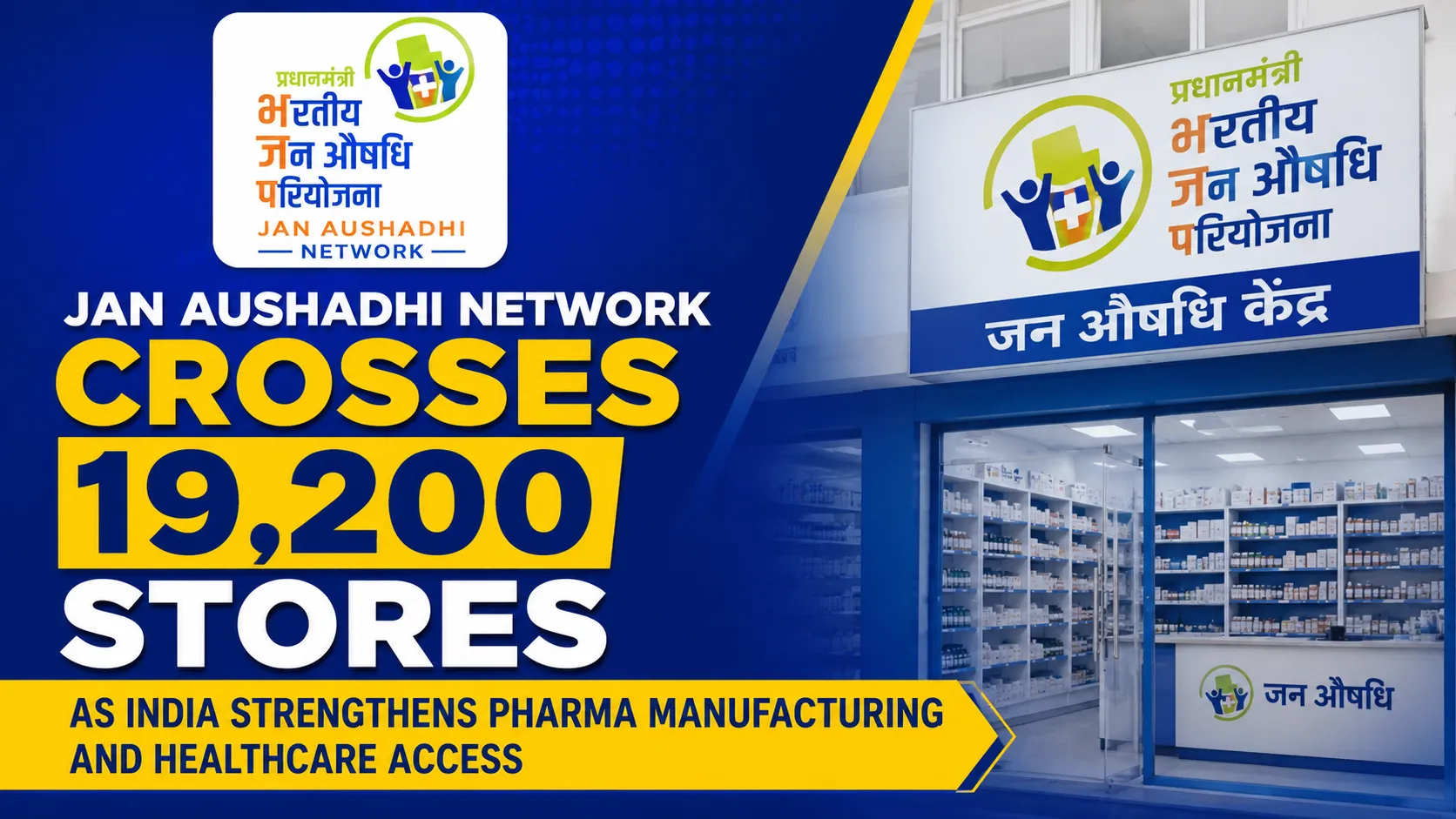
One of the most notable achievements has been the rapid expansion of the Pradhan Mantri Bhartiya Janaushadhi Pariyojana (PMBJP). The number of Jan Aushadhi Kendras has increased from just 84 functional stores in 2014 to more than 19,200 outlets across India in 2026. This extensive network has made quality generic medicines available at affordable prices to millions of citizens, particularly in underserved and remote regions. The North Eastern states have witnessed remarkable growth, with the number of Kendras rising from only one outlet in 2014 to 417 today.
The initiative has also generated substantial financial relief for patients. Government estimates indicate that citizens have collectively saved more than ₹40,000 crore on healthcare expenses through access to affordable generic medicines available under the scheme.
Alongside improving medicine accessibility, India has focused heavily on boosting pharmaceutical manufacturing through the Production Linked Incentive (PLI) Scheme. Since its launch, the scheme has attracted investments exceeding ₹42,000 crore and generated pharmaceutical sales worth more than ₹3.4 lakh crore. The initiative has also created employment opportunities for over 1.13 lakh people, while encouraging the production of complex generics and biopharmaceutical products within the country.
The medical devices sector has also recorded strong growth under the government's PLI program. Investments of over ₹1,100 crore have resulted in cumulative sales of nearly ₹29,400 crore, while generating thousands of jobs. The policy is helping reduce India's dependence on imported medical equipment and supporting the growth of domestic manufacturing capabilities.
To further strengthen the ecosystem, Medical Device Parks are being developed in multiple states, including Uttar Pradesh, Tamil Nadu, and Madhya Pradesh. These facilities aim to provide shared infrastructure and lower manufacturing costs for companies operating in the medical technology sector.
The government has also announced Biopharma SHAKTI, a ₹10,000 crore initiative aimed at accelerating growth in biologics and biosimilars. The program is expected to support innovation, improve access to advanced therapies, and enhance India's competitiveness in the global biopharmaceutical market.
With expanding healthcare access, growing pharmaceutical investments, and increasing focus on self-reliance, India continues to strengthen its reputation as the "Pharmacy of the World" while moving towards its long-term vision of becoming a developed nation by 2047.