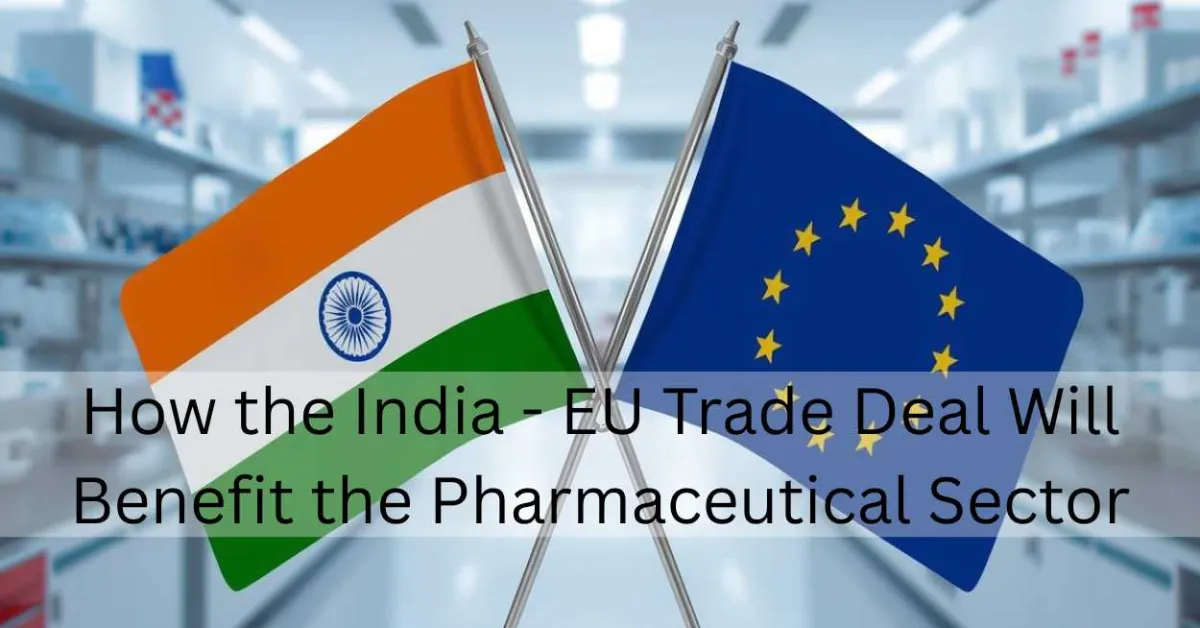
The proposed India-European Union (EU) trade deal is expected to bring significant benefits to India’s pharmaceutical industry. The EU is one of the largest and most regulated medicine markets in the world, and easier access to this region can open new growth opportunities for Indian drug manufacturers. The agreement focuses not only on trade but also on regulatory cooperation, which is crucial for pharmaceuticals.
One of the biggest advantages for Indian pharma companies will be smoother entry into the EU market. Currently, getting drug approvals in Europe is time-consuming and expensive due to strict regulations. Under the trade deal, both sides are expected to work towards better regulatory alignment, which can reduce approval timelines and compliance costs. This will help Indian companies export generic medicines, APIs, and biosimilars more efficiently.
Indian pharmaceutical companies are global leaders in affordable generic medicines, and the EU trade deal can strengthen this position. With improved market access, Indian firms can increase exports of cost-effective medicines to European countries, helping them address rising healthcare costs. This can also reduce India’s dependence on a few export markets like the US and create a more balanced global presence.
The deal can also encourage stronger partnerships between Indian and European pharmaceutical companies. European firms may look at India as a reliable manufacturing and research hub, leading to more collaborations in contract manufacturing, clinical research, and drug development. This can bring investment, advanced technology, and skill development to India’s pharma sector.
Another important benefit is supply chain diversification. After recent global disruptions, European countries are keen to reduce over-dependence on limited suppliers. India, with its strong manufacturing base and regulatory experience, can emerge as a preferred alternative supplier of medicines and APIs for Europe, strengthening its role in global healthcare security.
However, some challenges remain. The EU may seek stronger intellectual property protections, which could impact India’s generic drug industry if not carefully negotiated. Balancing innovation incentives with affordable medicine access will be key. Still, experts believe that with the right safeguards, the overall impact of the trade deal will be positive for Indian pharmaceuticals.
In conclusion, the India-EU trade deal has the potential to be a major boost for India’s pharmaceutical industry. By improving regulatory cooperation, expanding export opportunities, attracting investment, and strengthening supply chains, the agreement can support long-term growth and global competitiveness of Indian pharma companies.