
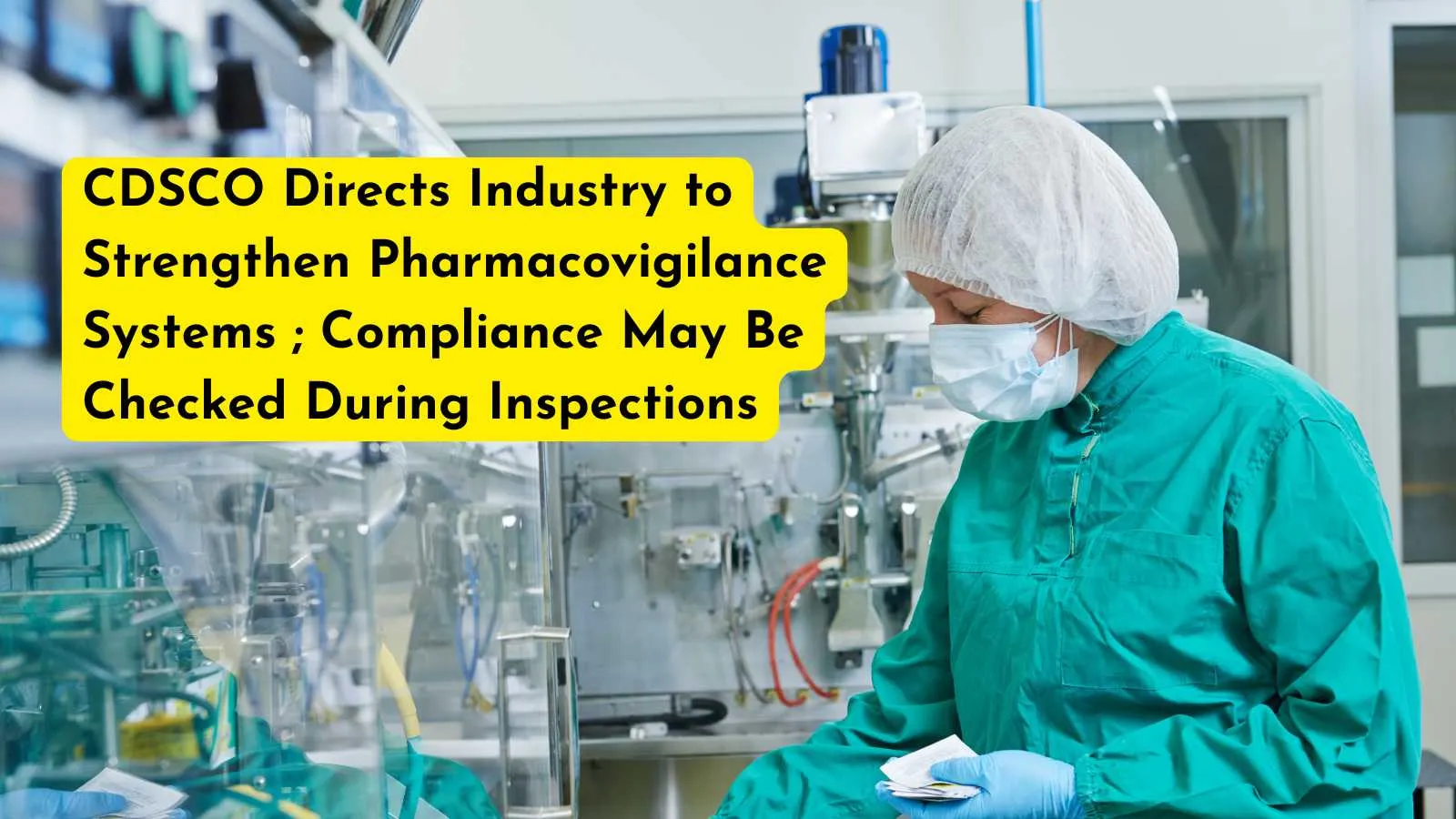
India’s drug regulator has issued a fresh reminder to pharmaceutical manufacturers and other stakeholders regarding the mandatory implementation of pharmacovigilance (PV) systems under the provisions of the Drugs and Cosmetics Act, 1940 and related rules.
In a recent circular, the Central Drugs Standard Control Organization (CDSCO) referred to Para 6.11 of Schedule M, which requires every licensee to establish a pharmacovigilance system for collecting, processing, and forwarding reports related to adverse drug reactions (ADRs) associated with medicines manufactured or marketed by the company.
The circular emphasizes that pharmaceutical companies must maintain an effective pharmacovigilance framework in compliance with the Drugs and Cosmetics Act, 1940, the Rules made thereunder, and the New Drugs and Clinical Trials (NDCT) Rules, 2019.
According to the regulator, stakeholders are expected to ensure that robust systems are in place for monitoring drug safety, reporting adverse events, and supporting regulatory oversight throughout a product’s lifecycle.
CDSCO further noted that officials from CDSCO, State Licensing Authorities (SLAs), and Union Territory administrations may verify compliance with these pharmacovigilance requirements during routine inspections and other regulatory activities.
Why Pharmacovigilance Matters
Pharmacovigilance is the science and practice of detecting, assessing, understanding, and preventing adverse effects or any other drug-related problems. A strong PV system helps identify previously unknown safety concerns, evaluate benefit-risk profiles, and ensure that medicines remain safe for patients after they enter the market.
The latest communication reinforces the growing regulatory focus on post-marketing drug safety surveillance in India.
CDSCO’s Increasing Focus on Pharmacovigilance
The latest circular is part of a broader effort by Indian regulators to strengthen pharmacovigilance practices across the pharmaceutical sector.
Over the past few years, CDSCO has taken several steps to improve adverse event reporting and drug safety monitoring:
Revised Schedule M and Quality Systems
In 2023, the government notified revised Schedule M requirements aligned more closely with international Good Manufacturing Practices (GMP). The updated framework placed greater emphasis on pharmaceutical quality systems, risk management, documentation, and pharmacovigilance responsibilities, particularly for manufacturers marketing medicines in India.
Strengthening Post-Marketing Surveillance
CDSCO has repeatedly highlighted the importance of post-marketing surveillance and adverse event reporting through the Pharmacovigilance Programme of India (PvPI). The program, coordinated by the Indian Pharmacopoeia Commission (IPC), serves as the national framework for monitoring medicine safety and collecting ADR reports from healthcare professionals, patients, and pharmaceutical companies.
Increased Inspection Focus
Regulatory inspections conducted in recent years have increasingly evaluated not only manufacturing quality but also pharmacovigilance preparedness, including adverse event reporting mechanisms, documentation systems, signal management activities, and regulatory compliance procedures.
Global Alignment of Drug Safety Standards
India has been moving toward greater alignment with international pharmacovigilance expectations followed by major regulatory agencies worldwide. Regulatory authorities have emphasized that marketing authorization holders should maintain effective systems for continuous safety monitoring and timely reporting of adverse drug reactions.
Industry Impact
The circular serves as a reminder that pharmacovigilance is no longer viewed merely as a post-approval regulatory formality. Instead, it is becoming a critical component of pharmaceutical compliance, patient safety, and lifecycle management of medicinal products.
With CDSCO indicating that compliance may be reviewed during inspections, pharmaceutical companies may need to reassess their pharmacovigilance infrastructure, reporting procedures, training programs, and documentation practices to ensure readiness for regulatory scrutiny.
As India continues to strengthen its drug safety ecosystem, effective pharmacovigilance systems are expected to play an increasingly important role in protecting public health and maintaining confidence in marketed medicines.