
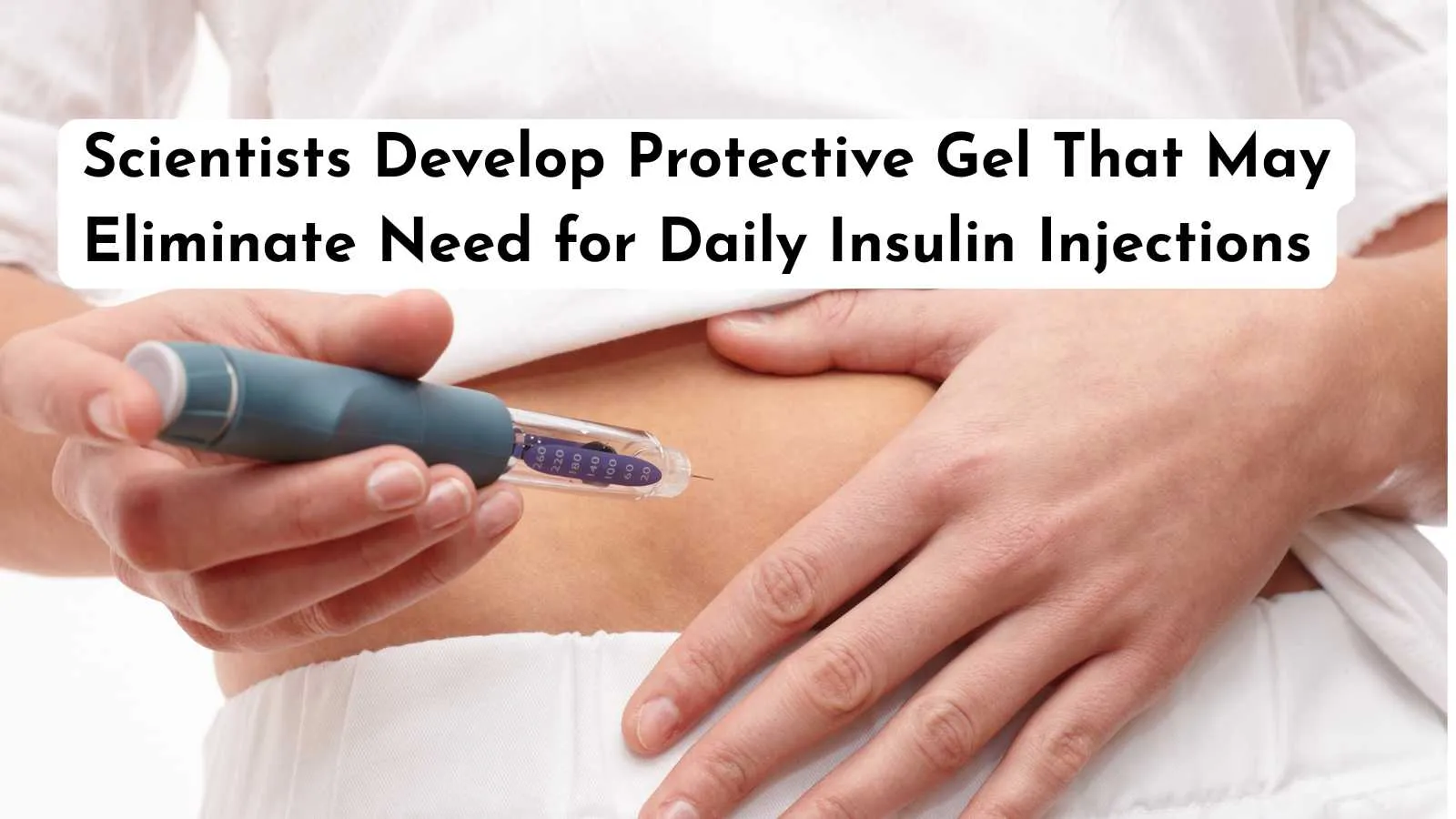
A major breakthrough in diabetes research could one day free patients with type 1 diabetes from lifelong insulin injections. Researchers from Université de Genève and Geneva University Hospitals have developed an innovative protective hydrogel capable of supporting insulin-producing cells after transplantation, successfully restoring blood sugar control in diabetic mice.
The experimental technology, called “Amniogel,” is designed to create a natural protective environment for pancreatic islet cells which are responsible for insulin production. According to the researchers, the gel helps transplanted cells survive longer by improving blood supply and reducing immune system damage, two major barriers that have limited previous transplantation methods.
Type 1 diabetes occurs when the immune system destroys insulin-producing beta cells in the pancreas. Patients are therefore dependent on daily insulin injections to regulate blood glucose levels. While pancreatic islet transplantation has shown promise in the past, the procedure often faces problems such as donor shortages, inflammation, and poor long-term survival of transplanted cells.
The newly developed hydrogel is derived from the human amniotic membrane, a tissue obtained from the placenta after birth. Scientists say the material provides a supportive matrix where insulin-producing cells can organize together with vessel-forming cells before transplantation. This creates a pre-vascularized structure that quickly connects with the body’s blood vessels once implanted.
In preclinical studies, diabetic mice receiving the engineered graft maintained normal blood sugar levels for more than 100 days, the entire duration of the study. The results significantly outperformed conventional transplantation approaches.
Lead researcher Ekaterine Berishvili described the findings as an important step toward developing a functional bioartificial pancreas. The team now plans to scale up the technology for possible human applications by producing larger grafts suitable for clinical use.
The research was carried out under the European VANGUARD project and published in the journal Trends in Biotechnology. Scientists also believe the hydrogel platform could eventually support transplantation therapies for diseases beyond diabetes.