Articles

Crack GPAT — Prepare for GPAT Online 
  • ENHANCEMENT OF SOLUBILITY; AN OVERVIEW

    ABOUT AUTHORS:
    Ramesh Babu Pedada1*, Eukondalu Vanka1, Dr.A.M.S.Sudhakar Babu1, Prasanna kumar Desu1, P.Ramaa Bharathi1, P.Venkateawara.rao2
    1Department of Pharmaceutics, 2Department of Pharmaceutical  Analysis,
    A.M.Reddy Memorial College of pharmacy, Narasaraopet, Guntur (Dt), Andhra Pradesh, India.
    Rameshbabu.pedada@gmail.com

    { DOWNLOAD AS PDF }

    ABSTRACT:
    Enhancement of solubility, dissolution rate and bioavailability of drug is a very challenging task in drug development, nearly 40% of the new chemical entities currently being discovered are poorly water soluble drugs. Aqueous solubility of any therapeutically active substance is a key property as it governs dissolution, absorption and thus the in vivo efficacy. Orally administered drugs completely absorb only when they show fair solubility in gastric medium and such drugs shows good bioavailability. The solubility and dissolution properties of drugs play an important role in the process of formulation development. Problem of solubility is a major challenge for formulation scientist which can be solved by different technological approaches during the pharmaceutical product development work. The present review deals in detail about the solubilisation by surfactants, cosolvents, complexation for the improvement of solubility of poorly water soluble drugs.


  • THYROID DYSFUNCTIONS AND ITS MONITORING

    About Authors:
    Pathak Namita*, Kothiyal Preeti, Dr. Prashant Mathur
    Department of Clinical Pharmacy,
    Shri Guru Ram Rai Institute of Technology and Sciences,
    Dehradun, Uttarakhand, India, 248001
    pathak_namita@ymail.com

    { DOWNLOAD AS PDF }

    Abstract
    The prevalence of hypothyroidism is three times higher among women than men. The prevalence in an unselect­ed community population of young, middle aged and elderly individuals is about 1.4 percent and the estimated annual incidence rate is one to two per 1,000 women. Surveys of geriatric populations have yielded estimated prevalence rates for overt hypothyroidism of 0.2 percent to 3 percent. The presentation of symptoms in the elderly may be atypical or absent. The prevalence of subclinical hypothyroidism is estimated to be between 4.0–8.5% of the adult US population without known thyroid disease, and the prevalence increases with age. Up to 20% of women over the age of 60 are estimated to have subclinical hypothyroidism. Caucasians are more likely to have subclinical hypothyroidism than non-Caucasians. The risk is highest in those with type I diabetes mellitus, a family history of thyroid disease or head/neck cancers treated with external beam radiation. Other risk factors include previous radioactive iodine treatment or thyroid surgery. Interestingly, about 20% of patients on thyroid medications are both over re­placed and under replaced. Because of the high incidence of thyroid disease, The American Thyroid Association recommends measuring thyroid function on all adults beginning at age 35 years and every 5 years thereafter noting that more frequent screening may be appropriate in high risk groups. The treatment of subclinical hypothyroidism has been controversial but more recent data suggest there are increased risks of ischemic heart disease in untreated patients and that a more aggressive approach to treat­ ment would be appropriate.7 In contrast, subclinical hyperthyroidism has more well understood risks of atrial fibrillation and flutter and so should be more ag­gressively treated.

  • FORMULATION, DEVELOPMENT AND OPTIMIZATION OF FAST DISPERSIBLE ORAL FILMS OF DOMPERIDONE MALEATE

    { DOWNLOAD AS PDF }

    ABOUT AUTHORS:
    Krupa Mehta, Nitu Changoiwala, Sanjay C. Modi, Dr. Mukesh C. Gohel, Dr. Rajesh K. Parikh
    L. M. College of Pharmacy, Navrangpura,
    Ahmedabad, Gujarat-380009, India

    ABSTRACT:
    Objective:
    To Formulate, Develop and Optimize fast dispersible oral films of Domperidone maleate.
    Materials and Methods:
    Fast dispersible films of Domperidone maleate were prepared using solvent casting method. Films were formulated using Hydroxy Propyl Methyl Cellulose (HPMC-E5) as a film forming agent, PEG-400 as a plasticizer. A 32 full factorial design was applied systematically to optimize the drug release and folding endurance. The concentration of HPMC-E5 (X1) and concentration of PEG-400 (X2) were selected as independent variables.
      The Percentage Drug Release in 5 minutes (Y1) and Folding endurance (Y2) were selected as dependent variables. The prepared films were evaluated for Thickness, Folding endurance, Tensile Strength, Disintegration time, In vitro drug release and Drug content uniformity.  DSC studies were conducted for drug-excipient interactions.
    Results: Films prepared were found to be of good quality fulfilling all the requirements. Regression analysis and numerical optimization were performed to identify the best formulation. Formulations F10 prepared with 2.7% HPMC-E5 and 20% PEG-400 was found to be the best formulation with 96% Drug release in 5 minutes and folding endurance 24.
    Discussion: X1 and X2 significantly affected the Percentage Drug Release in 5 minutes (Y1) and Folding endurance (Y2). Percentage Drug Release decreased as the concentration of HPMC-E5 and PEG-400 increased. Folding endurance increased as the concentration of HPMC-E5 and PEG-400 increased.
    Conclusions: Fast dispersible films of Domperidone maleate were successfully formulated by Solvent casting technique with immediate onset of action & improved patient compliance.

  • GREENER ITINERARY TO THWART PHARMACY - EFFLUENCE

    ABOUT AUTHOR:
    Raaz K Maheshwari
    Department of Chemistry, SBRM PG Govt College,
    Nagaur, Rajasthan
    drraazgreenchemacs@gmail.com

    { DOWNLOAD AS PDF }

    ABSTRACT
    The use of PPCPs is on the rise on the globe. PPCPs enter into the environment through individual human activity and as residues from manufacturing, agribusiness, veterinary use, and hospital and community use. Individuals may add PPCPs to the environment through waste excretion and bathing as well as by directly disposing of unused medications to septic tanks, sewers, or trash. Because PPCPs tend to dissolve relatively easily and don’t evaporate at normal temperatures, they often end up in soil and water bodies. Some PPCPs are broken down or processed easily by a human or animal body and/or degrade quickly in the environment. However, others do not break down or degrade easily. The likelihood or ease with which an individual substance will break down depends on its chemical makeup and the metabolic pathway of the compound. Varying concentrations of drugs found in water sources can have ill effect on the aquatic life and human health. For pharmaceutical pollution, the solution calls upon all health care sectors to participate in preventing pharmaceutical pollution. Green Pharmacy aims at zero pharmaceutical waste in our environment. It offers an opportunity for social action that will greatly benefit our environment at all levels of our society. It encourages health providers and clients to focus on healthy lifestyle and prevention to ensure their well-being through regular wellness practices. It provides education and opportunity for everyone involved with the life cycle of medicine to participate in reducing pharmaceutical pollution. With relatively simple yet firm commitments to change our habits, becoming stewards of medicine rather than consumers of medicine we effectively become part of the solution. This review paper delineates about the powerful approaches of green pharmacy that provides comprehensive solution to pharmaceutical pollution affecting much of well being on globe. Research to date points to the ubiquity of PPCPs in aquatic environments. Existing wastewater treatment facilities are inadequate and aren’t designed to remove them from the waste stream. Our current system of quantifying their toxicological effects is inadequate. Now is the time to prevent further harm to living organisms and the environment.

  • AN OVERVIEW ON PULSATILE DRUG DELIVERY SYSTEM

    ABOUT AUTHORS:
    Edukondalu.Vanka*, M. Jhansi Rani, A.M.Sudhakar Babu, P.Venkatesawara Rao
    Department Of Pharmaceutics,
    A.M. Reddy Memorial College of Pharmacy,
    Narasaraopet, Guntur (district), Andhra Pradesh
    7yedu7@gmail.com

    { DOWNLOAD AS PDF }

    ABSTRACT:
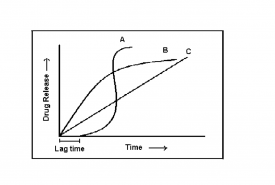
    Novel Oral Drug Delivery technologies have emerged and expanded into different drug delivery System. Among them Pulsatile Drug Delivery Systems are gaining a lot of interest as they deliver the drug at the right place at the right time and in the right amount, thus providing spatial and temporal delivery and increasing patient compliance. The drug delivery is designed according to the circadian rhythm of body. System is suit for the drugs which shows high first pass effect. A pulse has to be designed in such a way that a complete and rapid drug release is achieved after the lag time. Various systems like  Time controlled pulsatile release systems, Stimuli-induced pulsatile release system, Externally regulated pulsatile release system, Multiparticulate regulated pulsatile release system have been dealt with in the article. These delivery occurs at predetermined lag time. These systems are beneficial for the drugs having chronopharmacological behavior where night time dosing is required, such as anti-arhythmic and anti-asthmatic.

  • AICTE Sponsored Two Days National Seminar on Recent Issues in Bioanalytical Research 17th & 18th October 2013 at P. Wadhwani College of Pharmacy

    About the Institute:

  • EVALUATON OF ANTI ULCER ACTIVITY OF XANTHIUM INDICUM BY USING EXPERIMENTAL RATS

    ABOUT AUTHORS:
    P.Monica1*, DR.Nikunjal Mishra2
    1Yalamarthy college of pharmacy, Visakhapatnam, A.P
    2HOD. Department of pharmacology Yalamarthy College of pharmacy, Visakhapatnam, A.P
    *monica_reddy2308@yahoo.com

  • A REVIEW ON NEUROTOXICITY

    About Authors:
    Yogesh Yaduwanshi*, Gireesh Mehta, Jitendra Shakyawal, Surya Pratap, Sanjay Singh, Mahaveer Kabra
    Department of Pharmacology,
    Kota College of Pharmacy, Kota,
    Rajasthan India
    *yogeshyaduwanshi24@gmail.com

    Abstract:
    Chemicals are an integral part of our daily lives and are responsible for substantially improving them. Yet chemicals can also endanger our health, even our survival. This report focuses on neurotoxic substances, those chemicals that adversely affect the nervous system. Included among such substances are industrial chemicals, pesticides, therapeutic drugs, abused drugs, foods, food additives, cosmetic ingredients, and naturally occurring substances. Whether a substance causes an adverse health effect depends on many factors, including the toxicity of the substance, the extent of exposure, and an individual's age and state of health. Minimizing public health risks requires knowledge about the properties and mechanisms of action of potentially toxic substances to which humans may be exposed. The assessment includes discussion of industrial chemicals, pesticides, therapeutic drugs, substance drugs, foods, food additives, cosmetic ingredients, and such naturally occurring substances as lead and mercury. It does not include radioactive chemicals, nicotine, alcohol, biological and chemical warfare agents, microbial, plant, and animal toxins, and physical agents such as noise.

  • DENDRIMER: A NOVEL SYSTEM IN PHARMACEUTICALS

    ABOUT AUTHORS:
    Abhishek Shah*, Gautam Singhvi
    Department of Pharmacy, Industrial Research Lab,
    Birla Institute of Technology and Science,
    Pilani, Rajasthan, India., Pin: 333 031
    abhishah200291@gmail.com

  • THERAPEUTIC POTENTIAL OF VENOMOUS PEPTIDE IN VARIOUS DISEASES

    ABOUT AUTHORS:
    1*Anjali Choba, 2Shikha Attri
    1M.Pharma in pharmacology from shoolini university solan, himachal pradesh
    2M.Pharm in pharmaceutical chemistry from lachoo memorial college of science and technology, jodhpur
    *anji5057@yahoo.in

Subscribe to Articles