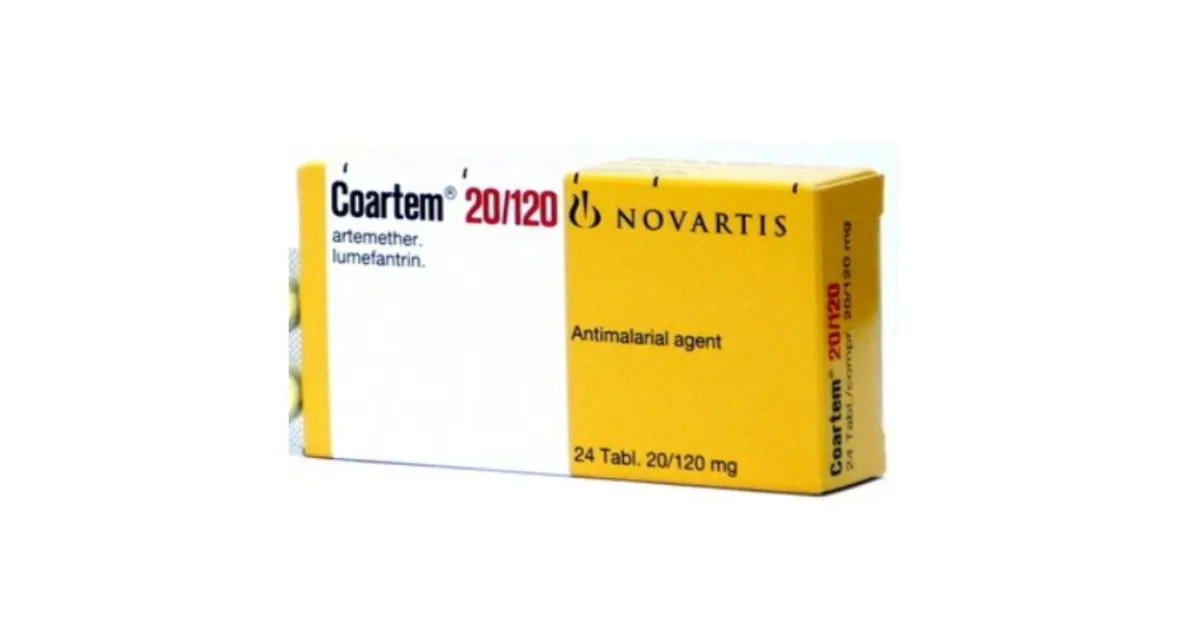
Novartis announced that the World Health Organization (WHO) has prequalified Coartem® (artemether-lumefantrine) Baby, the first and only antimalarial developed specifically for newborns and young infants weighing from 2 to 5 kilograms. The decision is a key step towards enabling widespread access through public sector procurement. Coartem Baby is also known as Riamet® Baby in some countries and was developed in collaboration with Medicines for Malaria Venture (MMV).
“This new formulation of artemether-lumefantrine represents an innovation as there are no antimalarial medicines specifically developed for the treatment of uncomplicated malaria in children from 2 to 5 kilograms body weight,” said Dr Daniel Ngamije Madandi, Director, Malaria and Neglected Tropical Diseases at the WHO.
Prequalification is a process run by the WHO to assess the quality, safety and efficacy of treatments for diseases like malaria, HIV/AIDS and tuberculosis. Prequalification outputs, including lists of prequalified products, are used by United Nations and other procurement agencies to inform funding and purchasing decisions for the public sector.
Novartis is making the treatment available on largely not-for-profit basis in malaria-endemic regions.
“This decision takes us one step closer to ensuring that the tiniest babies have access to the first antimalarial designed specifically for them,” said Dr Lutz Hegemann, President of Global Health at Novartis. “We have already introduced the treatment in Ghana and are pleased to now be going further together with our partners to reach even more of the smallest malaria patients.”
Until recently, there has been no approved malaria treatment for infants weighing less than 4.5 kilograms, leaving a treatment gap. The smallest infants with malaria have instead been treated with formulations intended for use in older children, which may increase the risk of side effects and toxicity.
“As doctors we’ve tended to look for malaria in older children, but when newborn babies got sick nobody seemed to know what to do,” said Dr Emmanuel Aidoo, a pediatrician at Methodist Hospital in Ankaase, Ghana. “Having a new treatment tailor-made for infants that is well tolerated gives us confidence.”
Coartem Baby was developed by Novartis with the scientific and financial support of MMV, and as part of the PAMAfrica consortium, which is co-funded by the European & Developing Countries Clinical Trials Partnership and the Swedish International Development Cooperation Agency.
“For too long, newborns and young infants with malaria have fallen through the cracks because existing treatments were not designed with them in mind,” said Dr Martin Fitchet, CEO of MMV. “WHO prequalification of Coartem Baby is a major public health milestone and reflects MMV’s commitment to ensuring that even the smallest and most vulnerable patients are not left behind. This achievement shows what is possible when partners come together to translate scientific innovation into real‑world impact.”