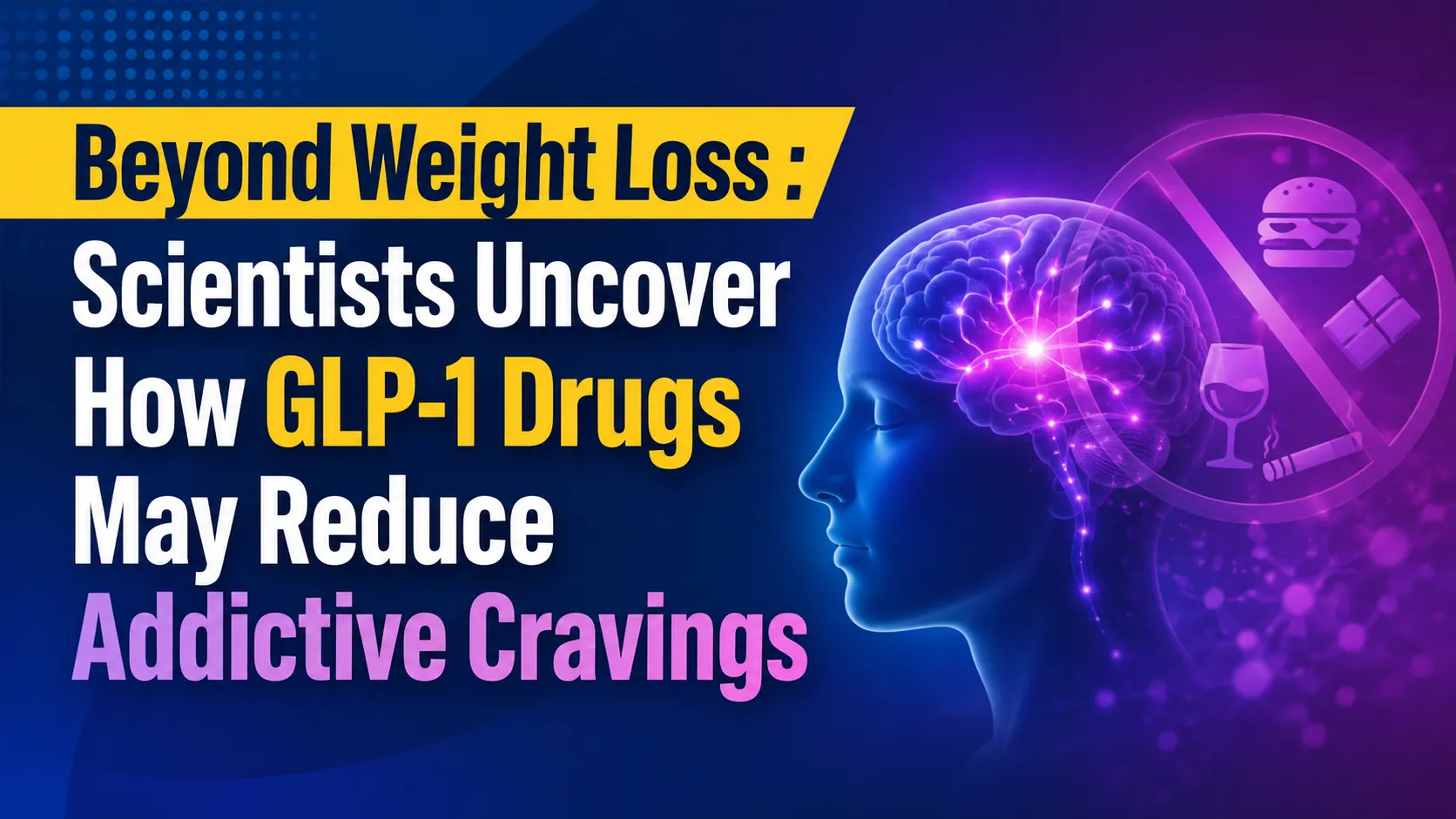
Drugs such as Ozempic and other GLP-1 receptor agonists, widely known for their effects on diabetes and weight management, may have potential beyond appetite control, with emerging research suggesting they could also help reduce cravings associated with addiction. A recent report published by The Conversation highlights new evidence pointing to a specific brain pathway that may explain how these medicines influence reward-driven behaviours.
Researchers have long studied the brain's reward circuitry, particularly regions such as the ventral tegmental area (VTA) and nucleus accumbens, which are involved in dopamine signalling and reward. However, these regions do not contain high levels of GLP-1 receptors, suggesting that they may not be the primary site through which GLP-1 drugs produce their effects on consumption and craving.
The research instead points to the lateral septum, a brain region involved in emotional regulation and reward-related behaviour. According to the research discussed by The Conversation, the lateral septum contains a high density of GLP-1 receptors, making it a potential key site through which GLP-1 signalling influences motivated behaviours. Studies in mice have shown that activating GLP-1 receptors in this region can reduce food consumption and, in separate research, alcohol consumption.
Researchers have also reported that GLP-1 drugs can alter activity within the lateral septum, potentially affecting how effectively this region communicates with other areas of the brain. This could help explain why GLP-1 medicines appear to influence not only hunger but also the motivation to consume rewarding substances.
The findings add to growing evidence that GLP-1 medicines may influence the brain's reward system more broadly than previously understood. An NIH-funded study has similarly identified a brain reward pathway through which GLP-1 drugs can suppress hedonic, or pleasure-driven, eating and suggested that this pathway could potentially be relevant to substance-use disorders.
Human research is also beginning to provide supporting evidence. In a randomized clinical trial, GLP-1 treatment combined with cognitive behavioural therapy was associated with reduced heavy drinking among people with alcohol use disorder and obesity. Another recent randomized study involving 50 adults with moderate-to-severe alcohol use disorder found that oral semaglutide was associated with fewer heavy-drinking days, lower overall alcohol consumption and weaker alcohol cravings compared with placebo.
However, GLP-1 medicines are not currently established treatments for addiction simply because of these findings. Much of the mechanistic evidence comes from animal studies, while human clinical research remains relatively early and focused particularly on alcohol use disorder. Larger and longer-term studies will be needed to determine whether GLP-1 drugs can become safe and effective treatments for different forms of addiction.
The emerging research nevertheless suggests that the effects of GLP-1 drugs may extend beyond reducing hunger. By influencing neural circuits involved in craving, motivation and reward, these medicines could eventually open a new avenue for treating disorders in which excessive consumption and persistent cravings play a central role.