New discovery can delay Alzheimer's development
Researchers from Michigan University have found out cellular structure called the Golgi that mysteriously becomes fragmented in all Alzheimer's patients and looks like major cause of Alzeimer's Disease (AD). this mechanism helps decode amyloid plaque formation in the brains of Alzheimer's patients—plaques that kills cells and contributes to memory loss and other Alzheimer's symptoms.
The researchers discovered the molecular process behind Golgi fragmentation, and also developed two techniques to 'rescue' the Golgi structure.
 Indian health ministry revoked the ban from Analgin, potent analgesic and antipyretic. Last year in June 2013, government issued a ban on manufacturing and selling of analgin in country because it is involved in risk to human beings and whereas safer alternatives of analgin are available. After revoking ban from pioglitazone, this is the second time when ministry has lifted ban from a drug.
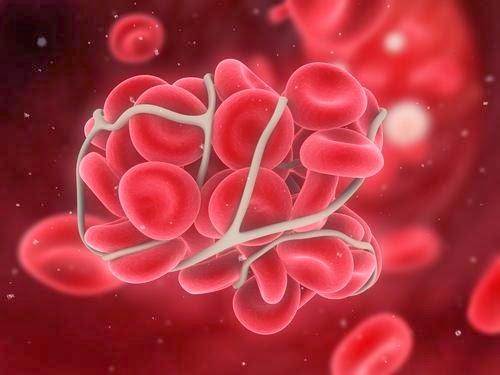 Bristol-Myers Squibb Company and Pfizer Inc. announced that the U.S. Food and Drug Administration (FDA) approved a Supplemental New Drug Application (sNDA) for Eliquis (apixaban) for the prophylaxis of deep vein thrombosis (DVT), which may lead to pulmonary embolism (PE), in patients who have undergone hip or knee replacement surgery.
 New serendipitous discovery which may open a new concept of resisting bacteria from growing in body. Associate professor Aaron Oakley and his team reported that non-steroidal anti-inflammatory drugs (NSAIDs) are exhibit some antibacterial property and acting on DNA replication of bacteria.