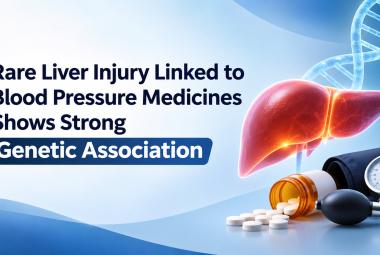

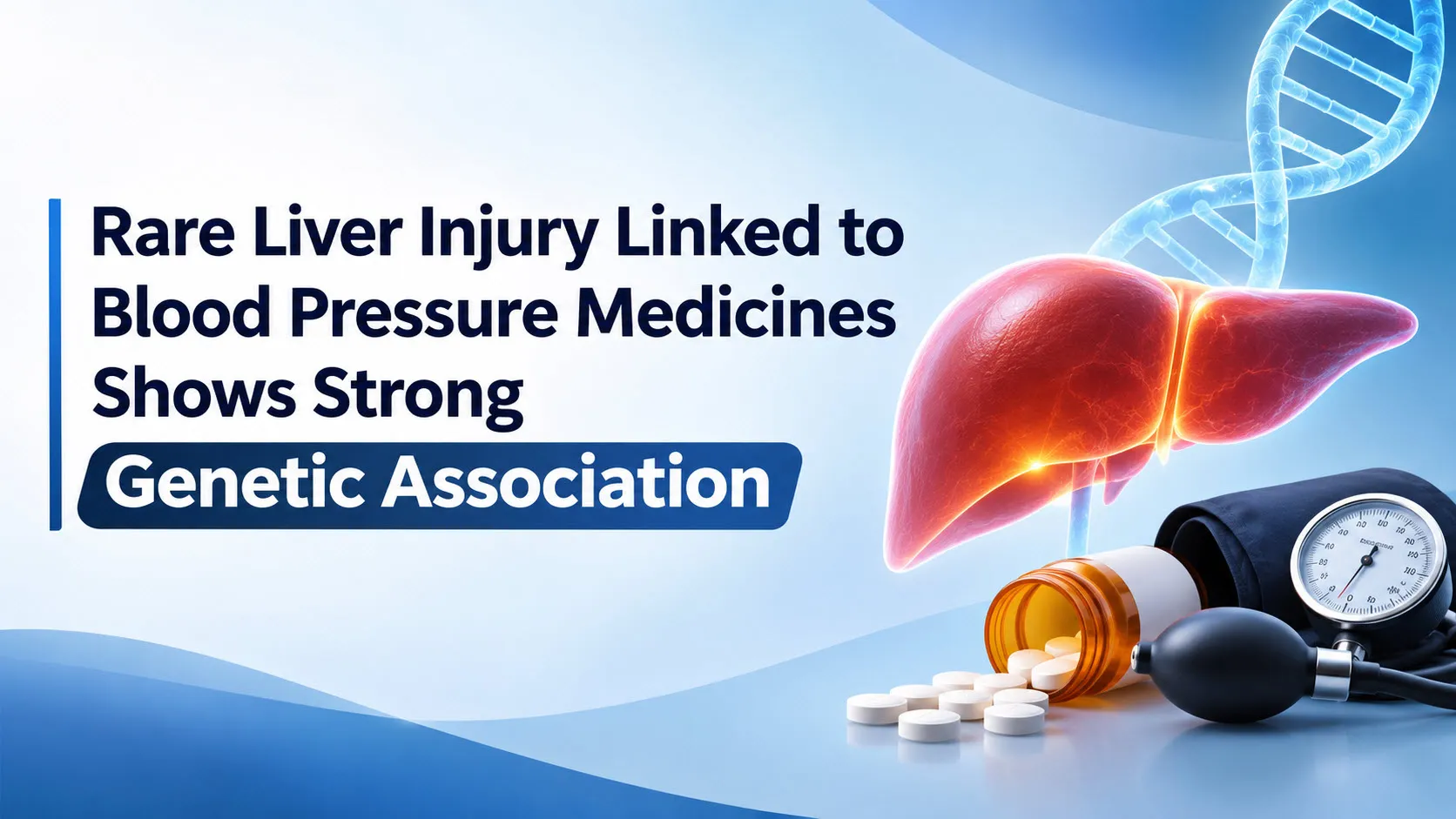
A new study published in Acta Pharmaceutica Sinica B has identified a strong association between antihypertensive drug-induced liver injury (DILI) and the genetic variant HLA-B*35:01, offering new insights into why some patients develop serious liver complications after taking commonly prescribed blood pressure medications.
Researchers analysed 2,207 high-confidence cases of drug-induced liver injury recorded in the US Drug-Induced Liver Injury Network (DILIN) between 2003 and 2024. Among these, 44 cases (2%) were attributed to antihypertensive medications, highlighting the rarity of this adverse reaction.
The affected patients had taken different classes of antihypertensive drugs, including 14 cases associated with angiotensin-converting enzyme inhibitors or angiotensin receptor blockers (ACE inhibitors/ARBs), 13 with methyldopa, 11 with hydralazine, and three each with beta-blockers and calcium-channel blockers.
Different medications showed distinct patterns of liver injury
The clinical presentation varied considerably depending on the medication involved. Methyldopa-associated liver injury occurred exclusively in young women and consistently produced hepatocellular injury. Most patients in this group had received the medication during pregnancy or the postpartum period.
In contrast, liver injury associated with other antihypertensive medications showed different patterns, including hepatocellular, cholestatic and mixed injury.
Although uncommon, the complications could be serious. The study documented severe liver injury, including cases requiring liver transplantation and fatal outcomes. Hydralazine and lisinopril were among the medications associated with particularly serious complications.
HLA-B*35:01 emerges as a major genetic risk marker
The most significant finding was the increased frequency of the human leukocyte antigen variant HLA-B*35:01 among patients with antihypertensive-related liver injury.
The variant was identified in 50% of affected patients, compared with approximately 11% of patients with liver injury caused by other medications. The association corresponded to an odds ratio of 6.0 (95% confidence interval: 3.4–10.6; P = 1 × 10⁻⁸), indicating a strong genetic association.
The relationship was particularly pronounced in methyldopa-associated liver injury, where 69% of patients carried HLA-B*35:01, compared with 11% of the non-antihypertensive DILI comparison group.
The researchers also found that carriers developed liver injury sooner after starting treatment. The reported onset was approximately 50 days among carriers, compared with 109 days among non-carriers. However, carrying the genetic variant was not associated with greater liver injury severity.
Potential role of immune-mediated mechanisms
The findings suggest that HLA-B*35:01 may contribute to an accelerated adaptive immune response to certain antihypertensive medications.
Human leukocyte antigen molecules play an important role in presenting antigens to immune cells. The authors propose that the antigen-presenting properties of HLA-B*35:01 could help explain its repeated association with drug-induced liver injury caused by structurally different medications and other substances.
Other HLA variants, including HLA-C04:01, HLA-DQA101:01 and HLA-DQB105:01, were also enriched among affected patients. However, their associations were not independent of HLA-B35:01 in the conditional analysis.
Implications for personalised medicine
The researchers suggest that HLA-B*35:01 could potentially serve as a pharmacogenetic marker for identifying individuals susceptible to antihypertensive drug-induced liver injury, particularly methyldopa-associated hepatotoxicity.
The study estimated that the variant had 99% specificity but only 50% sensitivity across the antihypertensive DILI cohort. Its positive predictive value was approximately 2%, reflecting the rarity of the condition.
These findings highlight an important distinction: although the genetic association is strong, most individuals carrying the variant will not necessarily develop liver injury.
The authors also emphasised that several widely prescribed antihypertensive medications had no associated DILI cases in the registry during the study period, suggesting that the risk varies considerably between individual drugs.
Further research needed
The investigators acknowledged that the relatively small number of antihypertensive-associated DILI cases limits the conclusions. Larger studies are needed to validate the genetic association, clarify the underlying immune mechanisms and establish whether routine genetic screening could improve prescribing decisions.
Overall, the findings provide new evidence linking genetic susceptibility with rare but potentially serious liver injury caused by antihypertensive medications. They also highlight the potential importance of pharmacogenetics in improving medication safety and supporting more personalised treatment strategies.