
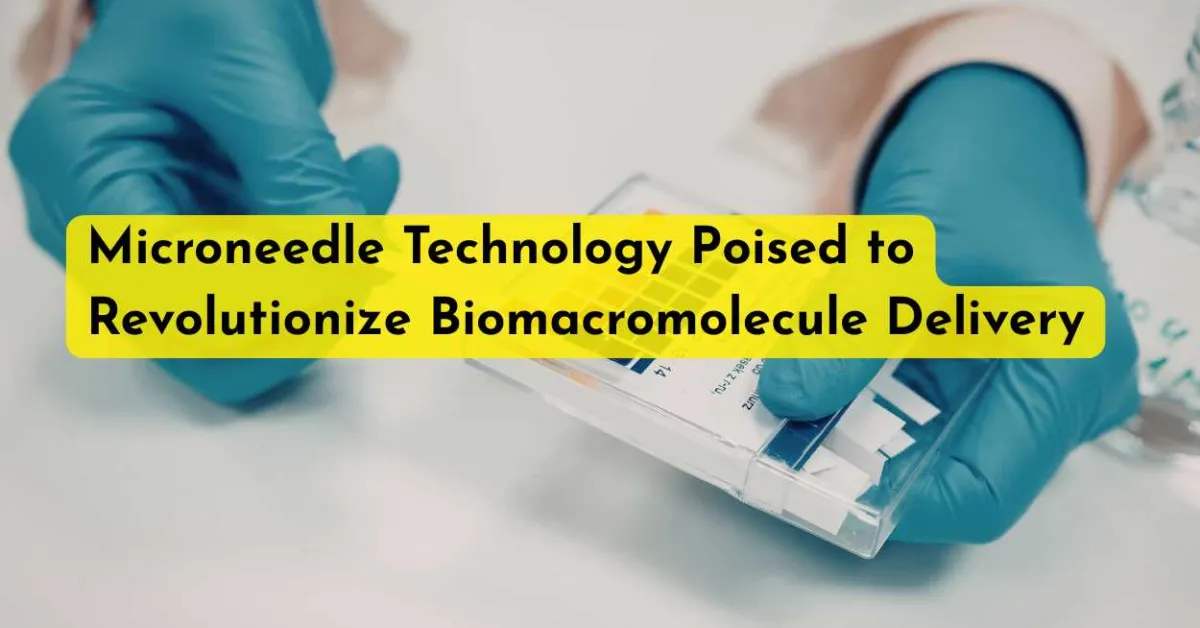
A new scientific review highlights the rapid evolution of microneedle technology as a versatile and minimally invasive platform for delivering biomacromolecules—large therapeutic molecules used to treat major diseases, including cancer, cardiovascular conditions, metabolic disorders, infections, and autoimmune diseases.
Researchers from Sun Yat-sen University and Jinan University jointly assessed recent advances in microneedle systems designed to overcome biological barriers that have long limited the efficacy of traditional drug administration routes. The study is published in Research Journal
Biomacromolecules such as proteins, peptides, and nucleic acids—offer high potency and targeted therapeutic effects but typically require injections that cause pain, generate medical waste, and reduce patient compliance. Microneedles, consisting of micron-scale needle arrays, penetrate the skin’s outer barrier (stratum corneum) to deliver drugs efficiently with minimal discomfort, reducing reliance on conventional injections.
The review details how functional microneedles can be engineered with specialized structures to navigate biological barriers not only in the skin but also in deeper tissues such as the heart and blood vessels, potentially broadening their therapeutic applications beyond dermal delivery. It also outlines manufacturing and clinical translation challenges, as well as solutions to support future commercial and medical adoption.
According to the authors, advancements in biomaterials and tissue engineering have enabled next-generation microneedle platforms that could enhance patient adherence and treatment outcomes across a range of serious diseases. Strategic design improvements—such as stimuli-responsive release mechanisms—may further optimize on-demand drug delivery directly at disease sites.
Experts believe that overcoming current production bottlenecks and regulatory uncertainties will be key to bringing microneedle-based therapies into widespread clinical use, ultimately transforming how complex drugs are administered around the world.