
 Harsh Bhardwaj1*, Sakshi Jain2, Raaz K Maheshwari3
1Assistant Professor, Department of Chemistry, Shri RK Patni Girls’ College, Kishangarh, Ajmer, Rajasthan, India
2Department of Biotechnology, Chandigarh University, Gharuan, Mohali, Punjab, India
3Freelance Investigator and Scientific Writer, Jaipur, MDSU-SBRM Govt PG College, Ajmer, Rajasthan, India
E-Mail: Harsh.bhardwaj0705@gmail.com
Abstract
Beetroot juice has become one of the best-studied sources of inorganic nitrate in the diet with a history of evidence throughout cardiovascular medicine, exercise physiology, clinical nutrition, and oral microbiology. Most of the reported benefits are established on the nitrate-nitrite-nitric oxide pathway of action, but these responses differ significantly among individuals and populations. Meta-analyses verify small yet consistent blood pressure lowerings and aerobic performance advantages, whereas impacts on resistance exercise, high-intensity interval sessions and cognitive functioning are disputed. New efforts in the field of chronic respiratory disease, pregnancy-related renal disease, and oral microbiome regulation indicate that the applications would be far more application-wide than sport. This synthesis review summarises the existing evidence base, taking into account the mechanism, specificity in the population and gaps in research.
Introduction
A correlation between dietary nitrate derived from beetroot and human physiology has created a lot of research interest in the last decade. When it came to blood pressure, the initial interest was based on blood pressure and economy of movements. Due to the growing evidence base, it became evident that beetroot nitrate works by a biochemically different mechanism than traditional endothelial nitric oxide synthase activity, and it is most especially applicable in groups whose vascular performance has already been impaired. Milton-Laskibar et al. has thoroughly described the bioactive properties of beetroot and separated the pharmacological effects of nitrate, betalains and polyphenols, which are independent of each other in offering antioxidant and anti-inflammatory properties. [1]. It is now an area covering randomised trials, umbrella reviews, meta-analyses and mechanistic studies. Some of the areas have enough homison in their results that may be used to provide clinical advice, whereas others are too heterogeneous to provide blanket advice on supplementation. This review deals with the proven evidence as well as the disputed evidence.

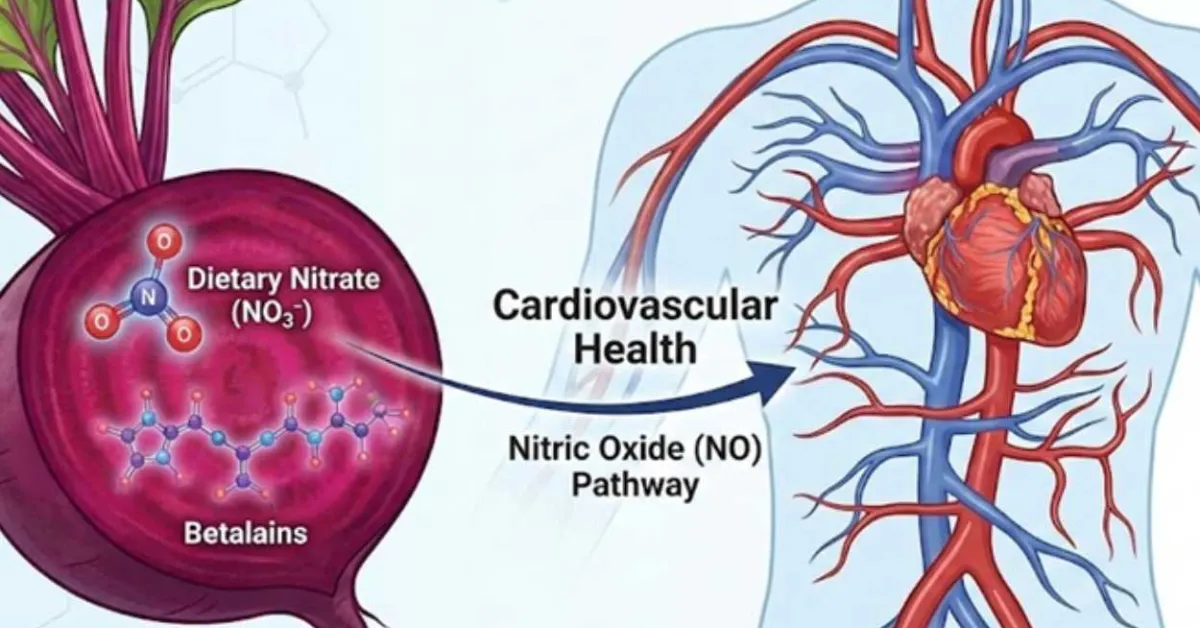
Figure 1 : Beetroot's Bioactive Compounds and Cardiovascular Health
2.0 The Nitrate-Nitrite-Nitric Oxide Pathway
Its basic mechanism has now been well characterised. The consumed nitrate in beetroot juice is absorbed into the enterosalivary circulation, then concentrated in salivary glands and then secreted onto the tongue and reduced to nitrite by facultative anaerobic bacteria. Ingested nitrite is further diminished to nitric oxide when under the acidic conditions of the gastrointestinal tract or is absorbed by the systemic circulation and converted at the peripheral tissues. Nitric oxide controls the expansion of the vessels, paralyses the platelets and changes the use of oxygen by the mitochondria. Zoughaib et al. investigated the ability of the ergogenic narration to be ascribed to the nitrate or whether polyphenolic compounds in beetroot are independent of each other by increasing the production of nitric oxide by alternative biochemical pathways [2]. Their test in the additive effects established plausible effects, but it is methodologically challenging to isolate each of the contributions.
The underestimated determinant of response is the oral microbiome. Alhulaefi et al. have provided evidence that the identity and the activity of interviews in the oral cavity in the formulation and reduction of nitrate interviews of mouthwash levels differ significantly among people and are susceptible to regular practice of oral health along with mouthwash use. [3]. Fjees et al. then indicated in a four-week beetroot juice study that supplementation changed the oral microbiome composition but not the intestinal microbiome speculating that specific oral microbiome adjustments would maximise nitrate conversion. [4]. This finding has been included in the design of trials as related to clinical relevancy.

Figure 2 : The Metabolic Pathway of Dietary Nitrate from Beetroot Juice
Cardiovascular Effects
The result that is most repeatedly reproduced in the literature on beetroot nitrate is blood pressure lowering. Numerous randomised controlled trials report considerable decreases in both systolic and diastolic blood pressure compared to placebo, the effects of which are seen in normotensive adults, hypertensive adults, and with comorbidities. In a postmenopausal population, a double-blind crossover study by Spicuzza et al. showed a benefit of population in establishing that macrovascular benefit was not just more evident in younger groups but also in populations at highest cardiovascular risk. [5]. Alasmari et al. had discovered that cardiovascular risk markers in the patients with chronic obstructive pulmonary disease were increased with oral nitrate supplementation, a risk group in which vascular dysfunction is the primary cause of death regardless of respiratory deterioration [6].
The elusive clinical problem of inter-individual variability was directly tackled by Hayes et al. When assessing the effects of nitrate with the same dose (administered to the same individuals twice, a week apart) in a replicate crossover design, they discovered that the group response was statistically significant, whereas individual response varied across repeated administrations. [7]. The response shown by a patient on one occasion cannot be assumed to indicate response on another, and the aggregate efficacy data cannot replace response monitoring done individually. Discovering the biological factors behind such variation, such as genetic polymorphisms that influence the metabolism of nitric oxide and baseline oral microbiome composition, is a priority.
Ergogenic Effects and Their Limits
Ergogenic evidence has been high to aerobic endurance but relatively low to the high-intensity and resistance modalities. Tian et al. performed an umbrella review of existing meta-analyses on beetroot juice among professional athletes, loading in some cases. [8]. A systematic review and meta-analysis of exercise-induced muscle damage by Jones et al. resulted in the discovery that beetroot juice reduced markers of muscle damage and enhanced the speed of muscle damage repair among human intervention studies, which has practical implications to competition scheduling and training load management. In a double-blind crossover study, Salem et al. evaluated the strength improvements, fatigue, and recovery differences in physically active people with the help of placebo/control conditions. [10]
The interval and resistance training is not as good as in the picture. The meta-analysis included in the study on the effect of beetroot ingestion on high-intensity interval training performance showed no significant ergogenic effect and a large level of heterogeneity in dose, timing, and training condition of incorporated trials. [11]. Tan et al. investigated the dose-response correlation between nitrate in the diet and resistance exercise performance and reported no significant correlation between any dosage of nitrate and exercise performance, regardless of the training background of the participants. [12]. Rowland et al. have discovered the importance of when the supplementation is administered on the metabolism of nitrate as well as physiological response, which many earlier studies could not normalise. [13]
Emerging Clinical Applications
The three clinical areas, which have received increasing research focus as compared to traditional uses in athletics and cardiovascular medicine, include chronic respiratory disease, renal disease in pregnancy and cognitive function. Chen et al. have conducted a review of the impact of dietary beetroot juice on patients with chronic obstructive pulmonary disease and have reported positive change on exercise capacity, resting blood pressure and reductions in systemic oxidative stress in a group with limited systemic pharmacological alternatives for his disease, that is, at the very sites where arguably the strongest biological work of dietary nitrate-derived nitric oxide is performed.
Smith et al. describe the feasibility results of embedded randomised controlled trial that was investigating whether beetroot juice had the potential to prevent kidney dysfunction in pregnant women with chronic kidney disease, a group in which traditional antihypertensive options are highly limited by foetal safety concerns. [15]. The article by Babateen et al. analysed the cognitive function of overweight and obese elderly adults who had been administered incremental doses of beetroot juice in a thirteen-week period. There was also no significant impact on cognitive or brain blood flow, which supports that these results, identified as possible effects in theory through effects of nitric oxide on the cerebrovascular system, are not yet supported with sufficient power in sufficiently powered studies. [16]. Griffiths et al. were of the opinion that whole plants of vegetables are able to deliver effective doses of nitrate, yet even standardisation in individuals and in studies is the pragmatic challenge. [17]
Safety Profile and Research Limitations
Beetroot juice has consistently been referred to as safe at the levels of intensity of study, which is normally 300 to 500 mg of inorganic nitrate per day. Trial evidence has not supported concerns that dietary nitrate is a cause of carcinogenic nitrosamine formations, especially in the event that dietary nitrate is consumed together with antioxidants occurring in plant foods. Following the ingestion of a beetroot juice Heredia-Martinez et al. monitored the plasma nitrate and nitrite dynamics in adult haemodialysis patients and healthy individuals and indicated that the pharmacokinetic profile of the questioned drug was tractable even in a population with a severely impaired renal clearance. [18]. Fejes et al. did not find any detrimental modifications in oxidative stress and inflammatory biomarkers in hypertensive older adults after a few weeks of augmented nitrate intake. [19]
The mainstream literature has methodological deficiencies. The concentration of commercial juices is used in most of the trials as opposed to whole food, which limits the application to the real world. Limited safety data are long-term (of more than several weeks). Women and the elderly have been under-represented in trials of exercising. The unpredictability of inter-individual variability of response still introduces a contradiction at the group level, and the confounding effect of oral microbiome setup, mouthwash application, and supplementation efficacy remains uncontrollable.
Conclusion
Beetroot-derived dietary nitrate has been shown to be an evidence-based intervention to reduce blood pressure and improve aerobic performance in a decade of research. The mechanism of action of the nitrate-nitrite-nitric oxide pathway is mechanistically stable and its specific use in hypoxic and endothelially impaired conditions gives a consistent explanation as to why this pathway is clinically useful in chronic obstructive lung disease and pregnancy-induced hypertension. There is lack of support at the same level of confidence for effects of resistance exercise on cognition. Variability of oral microbiomes is becoming an additional aspect of response that can allow better identification of probable responders. The research agenda would need to focus on long-term safety data, sex-stratified studies, whole-food studies, as well as standardised dose-timing studies in a variety of different populations.
References
1. Milton-Laskibar I, Martinez JA, Portillo MP. Current Knowledge on Beetroot Bioactive Compounds: Role of Nitrate and Betalains in Health and Disease. Foods. 2021;10(6):1314.
2. Zoughaib W, Fry M, Singhal A, Coggan A. Beetroot juice supplementation and exercise performance: is there more to the story than just nitrate? Frontiers in Nutrition. 2024;11:1347242.
3. Alhulaefi S, Watson A, Ramsay S, et al. Effects of dietary nitrate supplementation on oral health and associated markers of systemic health: a systematic review. Critical Reviews in Food Science and Nutrition. 2024;65:2813-2828.
4. Fejes R, Seneca J, Pjevac P, et al. Increased Nitrate Intake From Beetroot Juice Over 4 Weeks Changes the Composition of the Oral, But Not the Intestinal Microbiome. Molecular Nutrition and Food Research. 2025;69.
5. Spicuzza J, Gosalia J, Zhong L, et al. Seven-day dietary nitrate supplementation clinically significantly improves basal macrovascular function in postmenopausal women. Frontiers in Nutrition. 2024;11:1359671.
6. Alasmari A, Alsulayyim A, Alghamdi S, et al. Oral nitrate supplementation improves cardiovascular risk markers in COPD: ON-BC, a randomised controlled trial. European Respiratory Journal. 2023;63.
7. Hayes E, Alhulaefi S, Siervo M, et al. Inter-individual differences in the blood pressure lowering effects of dietary nitrate: a randomised double-blind placebo-controlled replicate crossover trial. European Journal of Nutrition. 2024;64.
8. Tian C, Jiang Q, Han M, et al. Effects of Beetroot Juice on Physical Performance in Professional Athletes and Healthy Individuals: An Umbrella Review. Nutrients. 2025;17:1958.
9. Jones L, Bailey S, Rowland S, et al. The Effect of Nitrate-Rich Beetroot Juice on Markers of Exercise-Induced Muscle Damage: A Systematic Review and Meta-Analysis. Journal of Dietary Supplements. 2021;19:749-771.
10. Salem A, Ammar A, Kerkeni M, et al. Short-Term Beetroot Juice Supplementation Enhances Strength, Reduces Fatigue, and Promotes Recovery in Physically Active Individuals. Nutrients. 2025;17:1720.
11. Wong T, Sim A, Burns S. The Effect of Beetroot Ingestion on High-Intensity Interval Training: A Systematic Review and Meta-Analysis. Nutrients. 2021;13:3674.
12. Tan R, Lincoln I, Paniagua K, et al. The effect of dietary nitrate supplementation on resistance exercise performance: A dose-response investigation. European Journal of Applied Physiology. 2025;125:2869-2883.
13. Rowland S, James L, O'Donnell E, Bailey S. Influence of acute dietary nitrate supplementation timing on nitrate metabolism, central and peripheral blood pressure and exercise tolerance in young men. European Journal of Applied Physiology. 2023;124:1381-1396.
14. Chen M, Chang S, Xu Y, Guo H, Liu J. Dietary Beetroot Juice: Effects in Patients with COPD. International Journal of Chronic Obstructive Pulmonary Disease. 2024;19:1755-1765.
15. Smith P, Dalrymple K, Clark K, et al. Feasibility study of dietary nitrate (beetroot juice) to protect kidney function in pregnant women with chronic kidney disease. Kidney International Reports. 2025.
16. Babateen A, Shannon O, O'Brien G, et al. Incremental Doses of Nitrate-Rich Beetroot Juice Do Not Modify Cognitive Function and Cerebral Blood Flow in Overweight and Obese Older Adults. Nutrients. 2022;14:1052.
17. Griffiths A, Alhulaefi S, Hayes E, et al. Exploring the Advantages and Disadvantages of a Whole Foods Approach for Elevating Dietary Nitrate Intake. Applied Sciences. 2023;13:7319.
18. Heredia-Martinez A, Rosa-Diez G, Ferraris J, et al. Plasma Nitrate and Nitrite Kinetics after Single Intake of Beetroot Juice in Adult Patients on Chronic Hemodialysis and in Healthy Volunteers. Nutrients. 2022;14:2480.
19. Fejes R, Pilat N, Lutnik M, et al. Effects of increased nitrate intake from beetroot juice on blood markers of oxidative stress and inflammation in older adults with hypertension. Free Radical Biology and Medicine. 2024