

Malignant brain tumor is new medical concern due to wi-fi and Cell Phone use
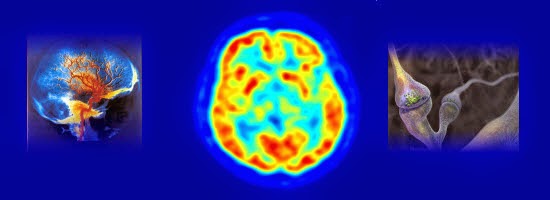
New studies escalate medical concerns about glioma (a malignant brain tumor) from cell phone use. The BioInitiative Working Group (BWG) noted that evidence for health risk from wireless technology is growing stronger and require immediate action. The Group released a mid-year update covering new science studies from 2012 to 2014.

The scientists, from Oxford Health NHS, confirmed that some patients with severe depression who have not responded to other treatments, can be treated with ketamine which has a rapid antidepressant effect. Ketamine is a licensed medical drug and is very widely used as an anaesthetic and in pain relief. It is also used as a recreational drug or drug of abuse, and is to be reclassified as a Class B banned substance.
Formation of plaques is more frequent in coronary arteries of HIV positive men than HIV negative men, according to a new study by National Institutes of Health grantees. The research describes that HIV-infected men are at higher risk for a heart attack than their HIV-uninfected which is published in Annals of Internal Medicine.
New findings, by group of scientists, will facilitate the development of new clinical strategies design to prevent or treat infections caused by multidrug-resistant Klebsiella Pneumoniae.
New serendipitous discovery which may open a new concept of resisting bacteria from growing in body. Associate professor Aaron Oakley and his team reported that non-steroidal anti-inflammatory drugs (NSAIDs) are exhibit some antibacterial property and acting on DNA replication of bacteria.
Novel biological markers have discovered by researchers from Finland and Estonia that are strongly indicative of risk of dying from any disease within the near future. Blood samples from over 17000 generally healthy people were screened for more than a hundred different biomolecules. The health status of these study volunteers was followed for several years. The researchers looked for measures in the blood that could reflect who had died within the following 5 years after the blood sample was taken. In a study published in PLOS Medicine, they describe identification of four such biomarkers of death.