
The British Medical Journal (BMJ) in its latest issue has called for radical reforms of the Medical Council of India (MCI) which, it said, failed to oversee quality and integrity in health services in the country.
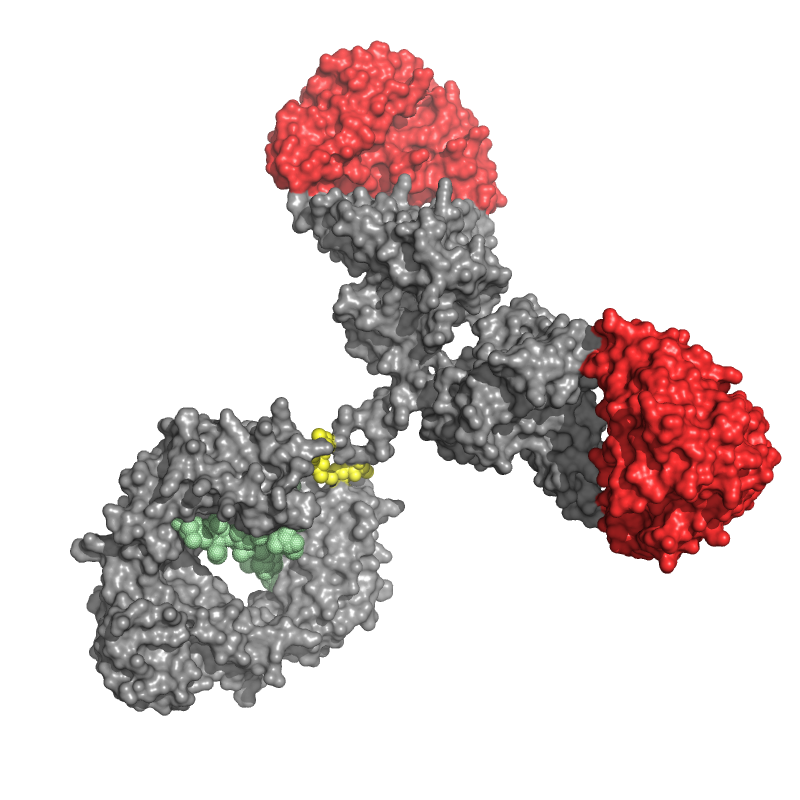
A near-atomic level map of Zika virus shows its structure to be largely similar to that of dengue virus and other flaviviruses, but with a notable difference in one key surface protein, report scientists funded by the National Institute of Allergy and Infectious Diseases (NIAID), part of the National Institutes of Health.
Researchers, including one of Indian-origin, have developed a novel vaccine regimen that produces rapid and long-term protection against Chikungunya virus (CHIKV) that is transmitted through mosquitoes and causes fever and joint pain that can sometimes become severe and disabling.
A drug used in the treatment of diabetes can increase the risk of bladder cancer, warns a new study adding that the risk increases with the rising duration of use and the dose.
Opening the door for new detection method that could allow doctors to diagnose patients with certain cancers far earlier than possible today, researchers have developed an optical sensor that they claim is one million times more sensitive than the current best available.
In a major advance towards a universal flu jab which would protect people against all strains of the virus, researchers have developed a new vaccine that protects against multiple strains of both seasonal and pandemic H1N1 influenza in mouse models.
Using a nanoparticle that delivers a drug and then glows green when cancer cells begin dying, Indian origin researchers have found a way to detect the effectiveness of cancer treatment much sooner than currently available clinical methods.
In an effort to slash high costs, provide customised treatment and improve diagnostic tests, doctors, engineers and researchers from several premiere institutions in the country have created a common platform to intensify research on nanotechnology a promising method for precise treatment.
The World Health Organization (WHO) on Tuesday urged the Southeast Asian countries to promote educational campaigns regarding self-management of diabetes and make its treatment cost effective.
Researchers have identified an enzyme that is likely to lower the risk of heart related diseases caused by antiviral medicines used for human immunodeficiency virus (HIV).
[adsense:336x280:8701650588]