
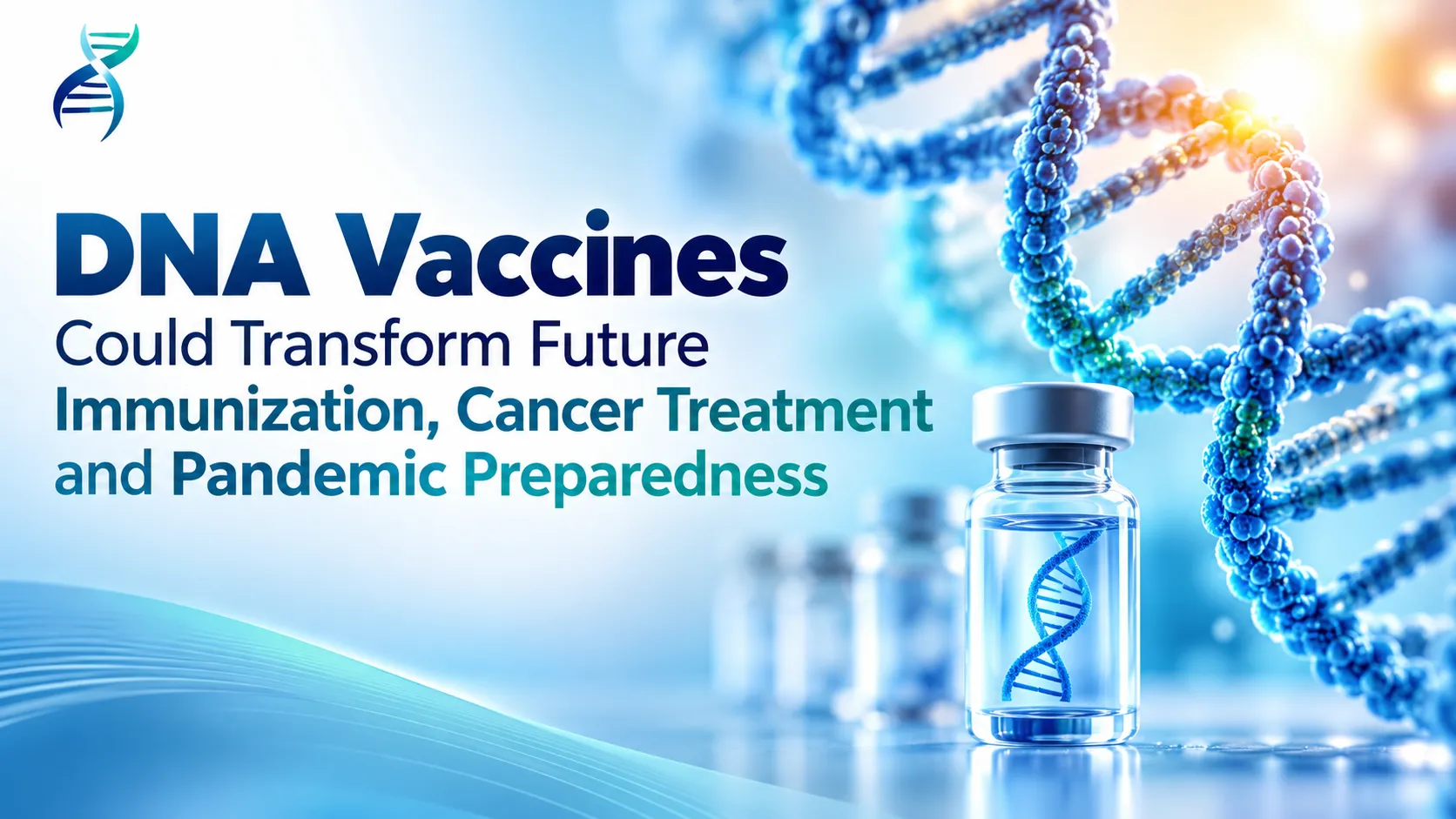
DNA-based vaccines are gaining attention as a versatile platform with the potential to reshape preventive and therapeutic immunization. A new review published in Genes & Diseases examines the evolution of DNA vaccination, advances in vaccine delivery technologies and emerging applications in infectious diseases, oncology and future pandemic preparedness.
DNA vaccines work by delivering genetic instructions that enable host cells to produce selected antigens. These antigens are then recognized by the immune system, triggering both antibody-mediated (humoral) and cellular immune responses. Unlike conventional vaccines that may contain weakened or inactivated pathogens or specific protein components, DNA vaccines use genetic material to instruct cells to produce the target antigen.
DNA vaccination research has progressed considerably since its emergence in the 1990s. The COVID-19 pandemic further accelerated interest in nucleic acid-based vaccine technologies, highlighting the importance of platforms that can be rapidly adapted to emerging infectious threats.
An important milestone was the authorization of ZyCoV-D, developed in India, which became the first plasmid DNA vaccine authorized for human use. Its development demonstrated the potential of DNA-based approaches in human vaccination.
DNA vaccines may offer several practical advantages, including relatively straightforward design, scalable manufacturing, potential cost benefits and improved thermal stability compared with certain other vaccine formulations. These characteristics could support vaccination programmes in regions where cold-chain infrastructure is limited, although storage requirements depend on the specific vaccine formulation.
The review highlights improvements in delivery technologies, vector engineering and molecular adjuvants designed to enhance vaccine performance.
Plasmid DNA platforms deliver genetic material directly, while viral vector systems use engineered viruses to transport genetic instructions into host cells. Adenoviral vectors are among the approaches being investigated to improve delivery efficiency.
Other techniques, including electroporation, can help DNA enter cells more effectively. Such advances are important because achieving sufficiently strong and durable immune responses remains a key challenge for DNA vaccines, particularly in humans.
Beyond preventing infectious diseases, DNA vaccines are being investigated as therapeutic approaches for cancer and chronic infections. Research and clinical development have explored applications involving melanoma, prostate cancer, cervical cancer and glioblastoma, as well as diseases associated with hepatitis B virus, HIV and human papillomavirus (HPV).
Therapeutic DNA vaccines aim to stimulate immune responses against selected disease-related targets. In cancer, the objective is to help the immune system recognize and attack tumour cells, while infectious disease applications may seek to strengthen immune control over persistent infections.
However, these applications remain at different stages of research and clinical development, and their inclusion in vaccine research does not necessarily indicate an approved treatment or established clinical benefit.
Emerging technologies could further expand DNA vaccine development. Artificial intelligence may assist researchers in identifying potential antigens and immune-recognized epitopes, while synthetic biology could support the rapid redesign of vaccine constructs as pathogens evolve.
These tools may help accelerate candidate selection and improve the precision of vaccine design. Their ultimate impact will depend on experimental validation, clinical performance and manufacturing feasibility.
Despite their potential, DNA vaccines face several scientific and practical limitations. These include relatively low immunogenicity in humans for some platforms, inefficient delivery of certain DNA constructs, challenges in manufacturing advanced viral vectors and a limited number of regulatory approvals.
Researchers continue to investigate improved antigen design, more effective delivery systems and molecular strategies to strengthen immune responses. Progress in these areas will be important for translating promising research into widely used vaccines.
DNA vaccines represent a developing technology with potential applications spanning preventive immunization, cancer immunotherapy and preparedness for emerging infectious diseases. Advances in delivery systems, artificial intelligence and synthetic biology could improve their effectiveness and adaptability.
Nevertheless, broader clinical adoption will require stronger evidence of safety and efficacy, effective delivery, scalable production and appropriate regulatory evaluation. The findings outlined in the Genes & Diseases review underscore the growing scientific interest in DNA vaccines while highlighting the work still needed to establish their role in future healthcare.