Get the latest news from world and India’s leading pharmaceutical companies Pharma Industry, pharmaceutical marketing, generic drugs, and Complete news for Pharmacy and Life Sciences professionals.

  • Bristol Myers Squibb announced that Opdivo (nivolumab) 3 mg/kg plus Yervoy (ipilimumab) 1 mg/kg (injections for intravenous use) was approved by the U.S. Food and Drug Administration (FDA) for the first-line treatment of adult patients with metastatic non-small cell lung cancer (NSCLC) whose tumors express PD-L1 (≥1%) as determined by an FDA-approved test, with no EGFR or ALK genomic tumor aberrations.

  • The U.S. Food and Drug Administration (FDA) has granted priority review of Sanofi’s Biologics License Application (BLA) for sutimlimab for the treatment of hemolysis in adult patients with cold agglutinin disease (CAD). Sutimlimab, an investigational monoclonal antibody, targets the underlying cause of hemolysis in CAD by selectively inhibiting complement C1s.

  • Heart attacks, heart failure, stroke: COVID-19's dangerous cardiovascular complications
    Heart attacks, heart failure, stroke: COVID-19's dangerous cardiovascular complications

    COVID-19 can cause serious cardiovascular complications including heart failure, heart attacks and blood clots that can lead to strokes, emergency medicine doctors report in a new scientific paper. They also caution that COVID-19 treatments can interact with medicines used to manage patients' existing cardiovascular conditions.

  • US based Sorrento Therapeutics claims breakthrough against COVID-19, shares jumps around 244 percent
    US based Sorrento Therapeutics claims breakthrough against COVID-19, shares jumps around 244 percent

    San Diego based Sorrento Therapeutics claims that its anti-SARS-CoV-2 antibody, STI-1499, demonstrated 100% inhibition of SARS-CoV-2 virus infection in an in vitro virus infection experiment at a very low antibody concentration which lead to jumps in stocks around 244%.

  • Antiviral drug can speed up recovery of COVID-19 patient : Research
    Antiviral drug can speed up recovery of COVID-19 patient : Research

    An international team of researchers led by Dr. Eleanor Fish, emerita scientist at the Toronto General Hospital Research Institute, University Health Network, and professor in the University of Toronto's Department of Immunology, has shown for the first time that an antiviral drug can help speed up the recovery of COVID-19 patients.

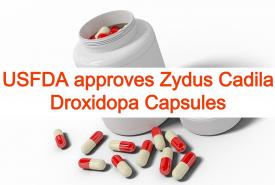
  • Zydus Cadila receives tentative approval from USFDA for Droxidopa Capsules
    Zydus Cadila receives tentative approval from USFDA for Droxidopa Capsules

    Zydus Cadila has received tentative approval from the USFDA to market Droxidopa Capsules, (US RLD: Northera®) in the strengths of 100 mg, 200 mg, and 300 mg.

  • 18 approved and investigational Pfizer medicines to be showcased
    18 approved and investigational Pfizer medicines to be showcased

    Pfizer Inc announced that new data from clinical trials of 18 approved and investigational medicines will be presented virtually at the ASCO20 Virtual Scientific Program, from May 29-May 31. The data that will be presented build on Pfizer’s strong track record in oncology by providing new insights in areas like breast, colorectal and genitourinary cancers, which include bladder, prostate, and kidney cancer.

  • The Council of Scientific and Industrial Research (CSIR), through its New Millennium Indian Technology Leadership Initiative (NMITLI) program, has approved a project towards development of human monoclonal antibodies (hmAbs) that can neutralize SARS-CoV-2 in patients. This project on generation of neutralizing human monoclonal antibodies as a therapeutic strategy will be implemented by a multi-institutional and multi-disciplinary team.

    Monoclonal antibody therapy is a form of immunotherapy designed to produce immunity to a disease or to enhance resistance by the immune system. This new project aims to generate hmAbs to SARS-CoV-2 from gradual recovery phase of COVID-19 patients and select high affinity and neutralizing antibodies. The project also aims to anticipate future adaptation of the virus and generate hmAbs clones that can neutralize the mutated virus so that could be readily used for combating future SARS-CoV infections.

    This new project aims to generate hmAbs to SARS-CoV-2 from gradual recovery phase of COVID-19 patients and select high affinity and neutralizing antibodies.

    This industry-academia collaboration comprises National Centre for Cell Science (NCCS) Pune; Indian Institute of Technology (IIT), Indore; PredOmix Technologies Ltd, Gurugram; and Bharat Biotech International Ltd (BBIL), Hyderabad. Vaccines and biotherapeutics maker BBIL is leading the project to develop human monoclonal antibodies (hmAbs) for COVID-19 infection. BBIL will be the commercial partner and responsible for subsequent development and commercialization of the hmAbs generated.

    DG-CSIR, Dr Shekhar C Mande commented that “As the research into SARS-CoV-2 is in early days and our understanding is evolving each day, it is critical that we deploy all possible strategies to combat the virus. Hence, CSIR is exploring all avenues and we are supporting new ideas which have clear deployment strategy”.

    CSIR is leading the fight against COVID-19 using multi-pronged approach and multiple models of engagement. CSIR labs themselves are developing technologies and products and are working with industry and public sector undertakings for deployment. NMITLI is a flagship program of CSIR aimed to support new ideas and projects from academic institutions and industries.


    - India Science Wire

    << Back to Pharma News

    Subscribe to PharmaTutor News Alerts by Email

  • Cipla Limited announced that it has signed a non-exclusive licensing agreement with Gilead Sciences, Inc. for the manufacturing and distribution of the investigational medicine Remdesivir, which has been issued an Emergency Use Authorization (EUA) by the U.S. Food and Drug Administration (FDA) to treat COVID-19 patients. This agreement is part of Cipla’s efforts to enhance global access to life-saving treatments for patients affected by the pandemic.

    As part of the agreement, Cipla will be permitted to manufacture the API and Finished product, and market it in 127 countries including India and South Africa under Cipla’s own brand name. Cipla will receive the manufacturing know-how from Gilead Sciences, Inc. to manufacture the API and Finished product at a commercial scale. Cipla’s extensive geographical and commercial footprint will help make this therapy accessible to more patients and markets.

    According to the World Health Organisation (WHO)’s tracker, the number of reported COVID-19 cases has crossed the four million mark globally.

    The EUA will facilitate broader use of Remdesivir to treat hospitalized patients with severe symptoms of COVID-19. The EUA is based on available data from two global clinical trials – US National Institute for Allergy and Infectious Diseases’ placebo-controlled Phase 3 study in patients with moderate to severe symptoms of COVID-19, and Gilead’s global Phase 3 study evaluating Remdesivir in patients with severe disease. Multiple additional clinical trials are ongoing to generate more data on the safety and efficacy of Remdesivir as a potential treatment for COVID-19. Remdesivir continues to be an investigational drug that has not been approved by the FDA.

    Commenting on the partnership, Mr. Umang Vohra (MD and Global CEO, Cipla Limited) said, “As the world is faced with the COVID-19 crisis, it is imperative that we collaborate and fight this virus together. We are pleased to partner with Gilead for this cause and take this treatment to patients across countries after the required regulatory approvals. At Cipla, it is our continuous endeavour to ensure that no patient is denied access to life-saving treatments. Our partnership with Gilead represents this unwavering commitment and is a significant step towards saving millions of lives impacted by the pandemic.”

    << Back to Pharma News


    Subscribe to PharmaTutor News Alerts by Email

  • COVID-19, the disease caused by coronavirus SARS-Cov-2, has infected over 4 million people in 212 countries, of whom at least 272,000 have died. The ongoing economic and social impact of the pandemic is staggering, but despite a daily flood of news on the disease, few laypeople know that paradoxically, COVID-19 mostly kills through an overreaction of the immune system, whose function is precisely to fight infections.

    In a new review article - explicitly targeted to non-specialists as well - in Frontiers in Public Health, a team of experts from Zunyi Medical University review the epidemiology, disease pathway, symptoms, diagnosis, and current treatment of severe COVID-19. They stress the key role of a potentially lethal overreaction of the immune system in the progression of the disease.

    They explain step-by-step what is known about how the virus infects the airways, multiplies inside cells, and in severe cases causes the immune defenses to overshoot with a "cytokine storm". This storm is an over-activation of white blood cells, which release too-great amounts of cytokines - inflammation-stimulating molecules - into the blood.

    "Similar to what happens after infection with SARS and MERS, data show that patients with severe COVID-19 may have a cytokine storm syndrome. The rapidly increased cytokines attract an excess of immune cells such as lymphocytes and neutrophils, resulting in an infiltration of these cells into lung tissue and thus cause lung injury," explains author Professor Daishun Liu from Zunyi Medical University, China.

    The cytokine storm ultimately causes high fever, excessive leakiness of blood vessels, blood clotting inside the body, extremely low blood pressure, lack of oxygen and excess acidity of the blood, and build-up of fluids in the lungs ("pleural effusion").

    White blood cells are misdirected to attack and inflame even healthy tissue, leading to failure of the lungs, heart, liver, intestines, kidneys, and genitals (Multiple Organ Dysfunction Syndrome, MODS). This may worsen and shutdown the lungs (Acute Respiratory Distress Syndrome, ARDS) due to the formation of a so-called hyaline membrane, composed of debris of proteins and dead cells, lining the lungs, which makes absorption of oxygen difficult. Most deaths due to COVID-19 are therefore due to respiratory failure.


    Liu et al. explain how in the absence of a specific antiviral cure for COVID-19, the goal of treatment must be to the fight the symptoms, lowering the mortality rate through intensive maintenance of organ function, for example an artificial liver blood purification system or renal replacement therapy to filtrate the blood through mechanical means.

    Especially important are methods to supplement or replace lung function, for example through non-invasive mechanical ventilation through a mask, ventilation through a tube into the windpipe (if possible with the refinement of Positive End Expiratory Pressure, PEEP, where the ventilator delivers extra pressure at the end of each breath of keep the lung vesicles open throughout), the administration of heated and humidified oxygen via a tube in the nose ("transnasal high-flow oxygen"), or a heart-lung bypass.

    The authors conclude by stressing the importance of preventing secondary infections: SARS-Cov-2 also invades the intestines, where it causes inflammation and leakiness of the gut lining, allowing the opportunistic entry of other disease-causing microorganisms. They advocate that this should be prevented with nutritional support, for example with probiotics - beneficial bacteria that protect against the establishment of harmful ones - and nutrients and amino acids to improve the immune defenses and function of the intestine.

    "Because treatment for now relies on aggressive treatment of symptoms, preventative protection against secondary infections, such as bacteria and fungi, is particularly important to support organ function, especially in the heart, kidneys, and liver, to try and avoid further deterioration of their condition," concludes Liu.


    Reference : https://www.frontiersin.org/articles/10.3389/fpubh.2020.00189/full

    << Back to Pharma News

    Subscribe to PharmaTutor News Alerts by Email

Subscribe to Pharma News