
  • NOVEL DRUG DELIVERY SYSTEM

    About Authors:
    Aruna Rastogi
    Roorkee College of Pharmacy and UTU
    Patanjali Ayurved Ltd, Sr. Chemist
    arunarastogi10@gmail.com

    1.   INTRODUCTION
    1.1 NOVEL DRUG DELIVERY SYSTEM:
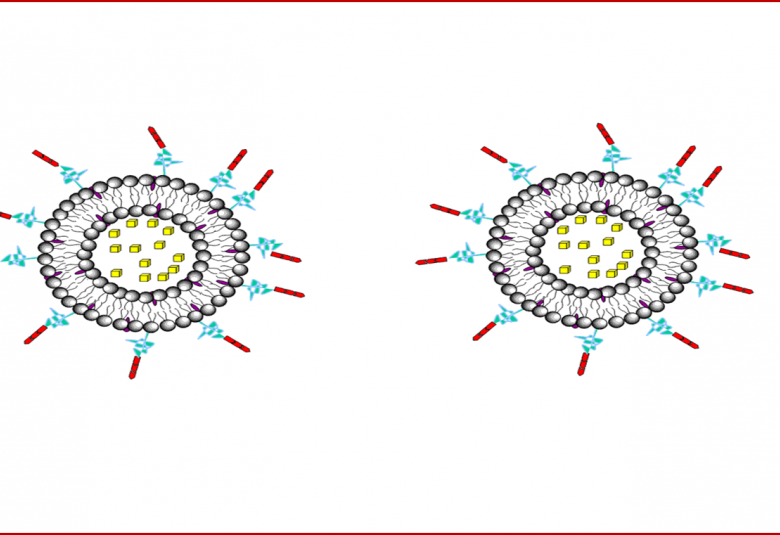
    The method by which a drug is delivered can have a significant effect on its efficacy. Some drugs have an optimum concentration range within which maximum benefit is derived, and concentrations above or below this range can be toxic or produce no therapeutic benefit at all. On the other hand, the very slow progress in the efficacy of the treatment of severe diseases, has suggested a growing need for a multidisciplinary approach to the delivery of therapeutics to targets in tissues. From this, new ideas on controlling the pharmacokinetics, pharmacodynamics, non-specific toxicity, immunogenicity, biorecognition, and efficacy of drugs were generated. These new strategies, often called drug delivery systems (DDS), are based on interdisciplinary approaches that combine polymer science, pharmaceutics, bioconjugate chemistry, and molecular biology.

  • FORMULATION AND EVALUATION OF SR RELEASE MATRIX TABLETS OF DICLOFENAC SODIUM BY USING CHITOSAN AS A NATURAL POLYMER
    FORMULATION AND EVALUATION OF SR RELEASE MATRIX TABLETS OF DICLOFENAC SODIUM BY USING CHITOSAN AS A NATURAL POLYMER

    About Authors:
    Garje V.A1, Nagargoje S.S1, Phanse V.R1, Kshirsagar R.R1
    1Dept.of Pharmaceutics. S.V.N.H.T’S College Of B.Pharmacy Rahuri Factory,
    Rahuri.413706 MS,India.
    *vishnugarje02@gmail.com

  • REVIEW ON STEM CELL THERAPY FOR DIABETES
    REVIEW ON STEM CELL THERAPY FOR DIABETES

    About Author:
    Kambham Venkateswarlu
    Final Year Graduate Student
    Sri Lakshmi Narasimha College of Pharmacy,
    Palluru, Chittoor-517132, Andhra Pradesh, India.
    k.v.reddy9441701016@gmail.com

    ABSTRACT:
    It is the branch of medicine that involves introducing new cells into a diseased tissue to trigger the body’s ability to heal itself.
    Cell therapy includes stem cell therapy, which means harvesting, transplantating or implanting stem cells in order to make healing mechanisms available in the diseased or damaged tissue itself. These stem cells may be harvested from the body of the mature adult from specialized sites where it is available such as the marrow of large bones or they may be preserved stem cells, harvested from the Umbilical cord blood or cord tissue at the time of that person’s birth.
    They may also be from another donor. If the donor of the stem cells is the same as the patient in whom it is transplanted, it is called autologous cell therapy. If the donor is a different person, it is called allogenic stem cell therapy.

  • HERBS AND THEIR INTERACTION WITH ALLOPATHIC DRUGS – A REVIEW
    HERBS AND THEIR INTERACTION WITH ALLOPATHIC DRUGS – A REVIEW

    About Authors:
    Sharma Monish*, Kumar Bhupender, Bhardwaj Sudeep
    Seth G.L Bihani S. D. College of Technical Education,
    Institute of Pharmaceutical Sciences & Drug Research.
    Sri Ganganagar, Rajasthan (INDIA)
    *monish28sharma@gmail.com

    ABSTRACT :
    During the recent past, a dramatic rise in the use of herbs and herbal remedies has been witnessed in many parts of the world.  While such products had been used with apparent safety in traditional societies for many centuries, when they are being combined with pharmacological agents, posses the possibility of potential interaction between the two groups of substances. In this situation, herb-allopathic drug interaction is an important factor to be measured because there is always a chance to get undesirable therapeutic effect of the prescribed allopathic drug, as like allopathic (prescription) drugs. Herbal medicines also have different pharmacokinetic and pharmacodynamic properties which ultimately lead to produce therapeutic responses, but sometimes cause adverse actions and/or drug-herbal interactions. Drug interaction refers to the situation where two or more separate drugs have been absorbed into the body and their effects are affected by each other, i.e. the effects are increased or they produce a new effect that neither produces on its own. The aim of this article is to highlight the interactions between herbal remedies and prescribed drugs.

  • THE ROLE OF COX-2 INHIBITORS IN HUMAN CANCER PREVENTION AND OTHER NOVEL TARGETS - A RECENT REVIEW
    THE ROLE OF COX-2 INHIBITORS IN HUMAN CANCER PREVENTION AND OTHER NOVEL TARGETS - A RECENT REVIEW

    About Authors:
    Lohithasu Duppala*1, Madhu priya Damuluri1, Anil kumar vadda2
    1
    GITAM Institute of Pharmacy, GITAM University, Pharmaceutics, visakhapatnam, Andhra Pradesh, India-530045.
    2
    AVANTHI Institute of pharmaceutical sciences, pharmacology, visakhapatnam, Andhra Pradesh, India-530045.
    *
    lohithasu@gmail.com, anilkumar.vadda@gmail.com

    ABSTRACT:
    COX-2 (Cyclooxygenase-2) is a selective inhibitor of non-steroidal anti-inflammatory drug (NSAID). Cyclooxygenase -2, an enzyme responsible for inflammation and pain. Celecoxib, Rofecoxib, valdecoxib, Parecoxib are class of COX-2 inhibiting drugs. COX-2  inhibitors have been revealed to reduce the occurrence of cancers and pre-cancerous growths. Celecoxib, cox-2 inhibitor isused to prevention of polyp formation in Familial Adenomatous Polyposis (FAP). COX-2 inhibitors like celecoxib, Rofecoxib, valdecoxib, Parecoxibare currently being studied in  cancer treatment and other targets. This review highlights the COX-2 inhibitors with special emphasis on their role in various kinds of cancer prevention and other targeted therapy. COX-2 inhibitors in cancer chemotherapy and neurological diseases like Parkinson and Alzheimer’s diseases still continues to attract researches on the development of COX-2 inhibitors.

  • QUALITY CONTROL WITH QUALITY PREMISES IN PHARMACEUTICAL INDUSTRY
    QUALITY CONTROL WITH QUALITY PREMISES IN PHARMACEUTICAL INDUSTRY

    About Authors:
    Sharma Monish*, Kumar Bhupender
    Seth G.L Bihani S. D. College of Technical Education,
    Institute of Pharmaceutical Sciences & Drug Research. Sri Ganganagar,
    Rajasthan (INDIA)
    *monish28sharma@gmail.com

  • A STUDY ON THE ECOFRIENDLY DYES EXTRACTED FROM THREE DIFFERENT SPECIES OF Curcuma L.
    A STUDY ON THE ECOFRIENDLY DYES EXTRACTED FROM THREE DIFFERENT SPECIES OF Curcuma L.

    About Authors:
    *Nikhala Shree
    Department of plant biology and plant biotechnology Women’s christian college
    An Autonomous Institution – Affiliated To The University Of Madras
    Chennai-600 006
    *nikhala.shree@gmail.com

  • ICH GUIDELINES OF STABILITY DATA: A REVIEW
    ICH GUIDELINES OF STABILITY DATA: A REVIEW

    About Authors:
    Kambham Venkateswarlu
    Final Year Graduate Student
    Sri Lakshmi Narasimha College of Pharmacy,
    Palluru, Chittoor-517132, Andhra Pradesh, India.
    k.v.reddy9441701016@gmail.com

    ABSTRACT:
    The International Conference on Harmonization of technical requirements of pharmaceuticals for human use was established in 1990 as a tripartite venture representing regulatory bodies and research based industry. The major aim of ICH is to provide a forum for constructive discussion on the real and perceived differences in technical requirements for the registration of new chemical entities. Other objectives are: To achieve greater harmonization in the interpretation and application of technical guidelines for the registration of new active substances or products obtained by biotechnology by its members; to improve the efficiency of global drug development; to reduce redundant studies; and to improve pharmacovigilance activities and quality assurance.

  • STANDARDIZATION OF HERBAL DRUGS/PRODUCTS: BOON TO INDIAN PHARMA MARKET
    STANDARDIZATION OF HERBAL DRUGS/PRODUCTS: BOON TO INDIAN PHARMA MARKET

    About Author:
    Swati Manik
    Department of Pharmacognosy,
    I.S.F. College of Pharmacy, Moga, Punjab
    swatimanik@yahoo.in

  • REVIEW ON ASYMMETERIC CATALYTIC HYDROGENATION
    REVIEW ON ASYMMETERIC CATALYTIC HYDROGENATION

    About Author:
    Sarabjeet Kaur
    M.pharm Lord Shiva College of pharmacy Sirsa
    Teaching Assistant Dept of Pharm. Edu. and research, Bhainswal Kalan
    BPSMV, Sonipat
    jassarab@gmail.com

Subscribe to Articles