 About Authors
Harsh Bhardwaj1, Muskan Baller2, Rupali Dilip Taru3, Raaz K Maheshwari4
1Assistant Professor, Department of Chemistry, Shri RK Patni Girls' College, Kishangarh, Ajmer, Rajasthan, India
2Research Scholar, Department of Biotechnology, Vivekananda Global University, Jaipur, Rajasthan, India
3Assistant Professor, Department of Management Studies, Bharati Vidyapeeth (Deemed to be University), Navi Mumbai Maharastra, India
4Freelance Investigator and Scientific Writer, Jaipur, Former Professor, Department of Chemistry, MDSU-SBRM Govt PG College, Nagaur, Rajasthan, India
Abstract
Balanites aegyptiaca (L.) Delile (family Zygophyllaceae), known as Hingot or desert date, is a drought-tolerant tree with documented use in Ayurvedic and folk medicine for liver disorders, diabetes, and skin diseases. Its phytochemical profile includes furostanol-type saponins (balanitins), flavonoids, phenolic acids, steroidal sapogenins, and alkaloids, distributed across fruits, seeds, leaves, and bark. Pharmacologically, extracts and isolated constituents exhibit antidiabetic, antioxidant, antimicrobial, anti-inflammatory, anticancer, and antiparasitic activity. Recent advances include GC-MS and UPLC-MS metabolite profiling, molecular docking for antidiabetic target prediction, and silver nanoparticle formulations of seed extract with enhanced activity on pancreatic and muscle cell lines. A randomized double-blind pilot clinical trial confirmed antidiabetic efficacy with an acceptable short-term safety profile. Acute toxicity data indicate a wide safety margin, though subchronic exposure at elevated doses affects hepatic markers in rodents. Expanded clinical trials and standardized formulations remain the principal research gaps.
1. Introduction
Balanites aegyptiaca (L.) Delile belongs to the family Zygophyllaceae. It is a thorny, perennial tree native to arid and semi-arid zones of sub-Saharan Africa, the Middle East, and South Asia [1,2]. In Indian traditional medicine, it is called Hingot or Ingudi; in English, desert date [3]. Across these regions, fruits, seeds, bark, and leaves have been used in Ayurveda and folk medicine to treat jaundice, syphilis, liver disorders, diabetes, and skin diseases [1,2,3]. Fruits have additionally been documented as a famine food source in parts of Africa [3].
Scientific investigation over the past two decades has extended beyond ethnobotanical documentation. Advanced analytical tools including GC-MS and UPLC-MS have enabled identification of specific bioactive compounds [4,7]. Antidiabetic activity has been evaluated through enzyme inhibition assays, animal models, and one randomized controlled human trial [6,8,9]. Antimicrobial, anti-inflammatory, anticancer, and antiparasitic effects are supported by in vitro and in vivo data. Nanoformulation and computational pharmacology have emerged as additional research directions [4,7]. This review summarizes recent phytochemical and pharmacological advances in Balanites aegyptiaca.

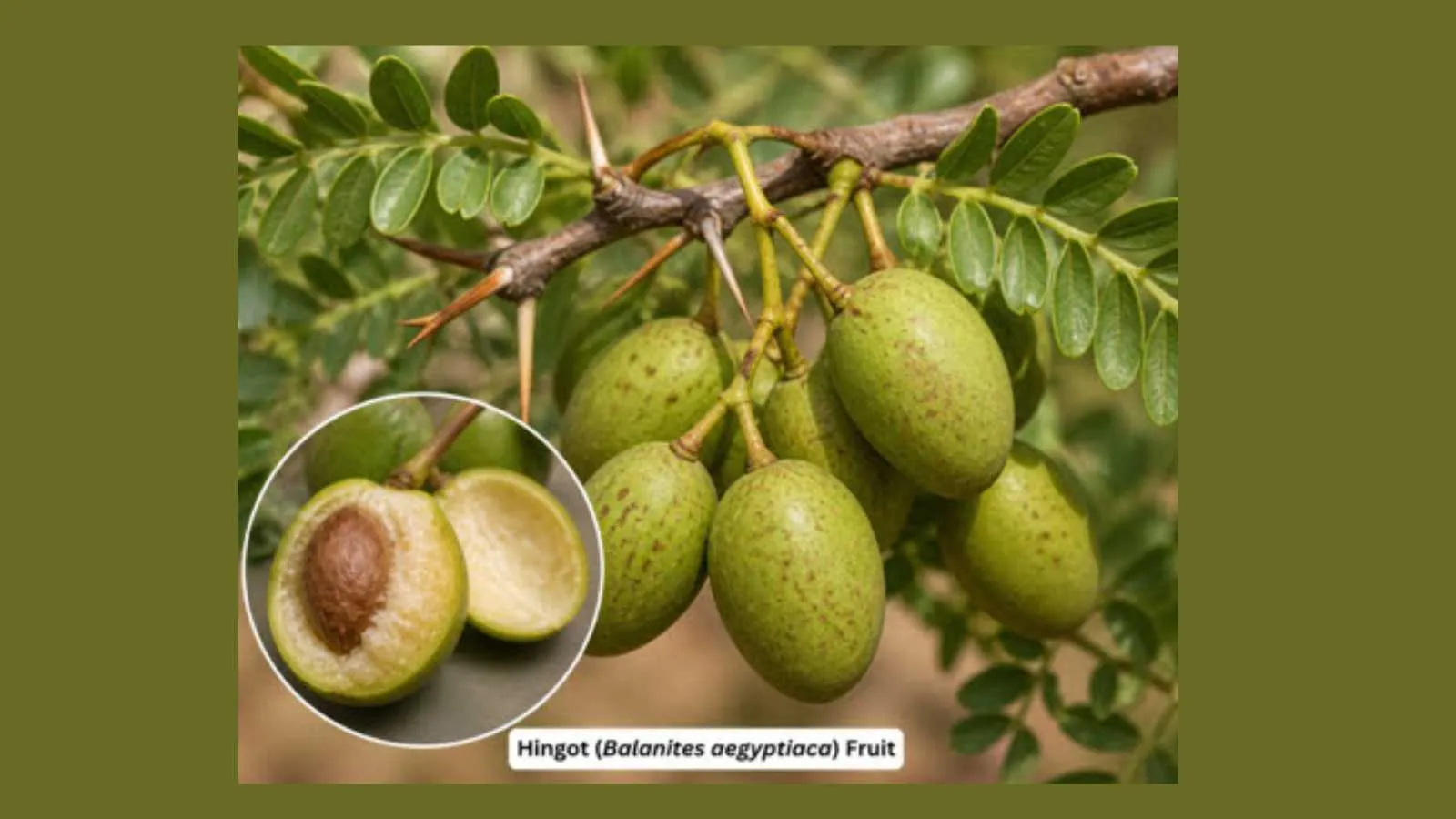
Fig. 1: Figure of Hingot fruit (Balanites Aegyptiaca)
2. Phytochemistry
2.1 Major Phytochemical Classes
Saponins are the most studied secondary metabolite class in B. aegyptiaca. Balanitins are the principal steroidal saponin fraction; a furostanol saponin isolated from the plant has demonstrated direct antidiabetic activity in vitro and in vivo [6]. Additional classes include flavonoids (rutin-3-glycoside derivatives), phenolic acids (cinnamic acid derivatives), the steroidal sapogenin diosgenin, alkaloids including trigonelline, coumarins, tannins, and terpenoids [1,2,7]. GC-MS profiling has confirmed the presence of nitrogen-containing compounds and phytosterols alongside the saponin fraction [7].
2.2 Variation by Plant Part
Seeds are saponin-rich and contain kernel oil with a high proportion of unsaturated fatty acids [1]. Fruit pulp is a source of sugars and phenolic compounds [12]. Leaves and bark contain a mixed metabolite profile including phenolics and flavonoids, though they remain comparatively understudied relative to seeds and fruits [5,12]. Stem bark has been analyzed by FTIR spectroscopy, confirming characteristic functional groups for phenols, carbonyls, and glycosidic bonds [5].
2.3 Recent Analytical Advances
GC-MS profiling of seed extracts has identified fatty acids, phytosterols, and nitrogen-containing biomarkers relevant to antidiabetic activity [7]. UPLC-ESI-MS/MS was applied in a clinical study to fingerprint fruit extract metabolites, enabling compositional traceability between batches and patient response [9]. FTIR and combined spectroscopic analysis have been applied for structural characterization of crude fractions from seed and bark [5]. These approaches provide a more precise phytochemical map than earlier colorimetric screening methods and support structure-activity analysis for drug development [4,7].
3. Pharmacological Activities
3.1 Antioxidant Activity
Aqueous and ethanol extracts from fruits, leaves, and seeds exhibit free radical scavenging activity measured by DPPH and FRAP assays [12]. Antioxidant capacity correlates with total phenolic and total flavonoid content across different plant parts and ecotypes [12]. The phenolic acid fraction, specifically cinnamic acid derivatives, is considered a primary contributor to this activity [2].
3.2 Antidiabetic Activity
Antidiabetic activity is the most thoroughly evaluated pharmacological property of B. aegyptiaca. Seed extracts inhibit alpha-glucosidase and aldose reductase in vitro, reducing postprandial glucose uptake and oxidative stress associated with chronic hyperglycemia [4,6]. In streptozotocin (STZ)-induced diabetic rats, aqueous extracts of fruit and seed reduced blood glucose levels and improved lipid profiles [8]. A furostanol saponin isolated from the plant produced glucose-lowering effects in animal models through insulin secretagogue and insulin sensitization mechanisms [6]. Silver nanoparticles synthesized from seed extract demonstrated enhanced antidiabetic activity on C2C12 muscle and RIN-5F pancreatic cell lines compared to bulk extract, with increased glucose uptake and insulin secretion at lower concentrations [4]. Network pharmacology and molecular docking analyses identified multiple protein targets for B. aegyptiaca phytoconstituents relevant to glucose metabolism [7]. A randomized double-blind pilot clinical trial in diabetic patients administered standardized fruit extract reported improved glycemic and lipid markers without adverse effects at the study dose [9].
3.3 Antimicrobial Activity
Crude extracts and isolated fractions from the fruit and seeds show inhibitory activity against Gram-positive and Gram-negative bacteria and fungi [3,13]. The antimicrobial effect has been attributed primarily to saponin and phenolic fractions [3]. Some fractions active in antimicrobial assays overlap with fractions showing anticancer cytotoxicity [13].
3.4 Anti-inflammatory and Hepatoprotective Activity
Saponin-enriched extracts reduce carrageenan-induced paw edema and acetic acid-induced writhing in rodent models, confirming anti-inflammatory and analgesic activity [14]. Hepatoprotective activity consistent with the traditional use of B. aegyptiaca in liver disorders has been reported in animal studies, though the specific phytoconstituents responsible have not been definitively isolated in the recent literature [3].
3.5 Anticancer Potential
An in vitro study of fruit extract against multiple cancer cell lines demonstrated cytotoxic activity attributed to fatty acid, phytosterol, and saponin fractions [13]. Apoptosis induction is proposed as a probable mechanism but has not been experimentally confirmed in the available literature. Further work with isolated fractions and mechanistic assays is required before any conclusions about clinical relevance can be drawn.

Fig. 2 : Phytochemical constituents and pharmacological activities of Hingot (Balanites aegyptiaca)
3.6 Antiparasitic and Anthelmintic Activity
Traditional use of B. aegyptiaca against parasitic infections is supported by in vitro and in vivo data [3]. A 2024 study optimized the extraction process for a seed-based antiparasitic phytomedicine and demonstrated that standardized extraction conditions maintain consistent saponin concentrations relevant to antiparasitic potency [15].
4. Recent Research Trends
Three directions characterize recent advances in B. aegyptiaca research. First, nanoformulation: silver nanoparticles prepared from seed extract, characterized by UV-Vis spectroscopy and transmission electron microscopy, showed superior antidiabetic activity on cell lines compared to bulk extract, attributed to increased surface area and improved cellular uptake [4]. Second, computational pharmacology: GC-MS-based compound identification paired with network pharmacology and molecular docking has been used to predict antidiabetic protein targets, providing a rational basis for isolate selection and further in vitro testing [7]. Third, standardization: UPLC-ESI-MS/MS has been used to build metabolite fingerprints for clinically tested fruit extracts, enabling compositional traceability between batches and clinical outcomes [9]. Extraction optimization studies for antiparasitic preparations have demonstrated that saponin yield and bioactivity are sensitive to solvent system and processing parameters, underscoring the need for standardized manufacturing protocols before regulatory submission [15].
5. Toxicity and Safety Profile
Acute oral toxicity studies in mice and rats place the LD50 of aqueous fruit extract above 5000 mg/kg, consistent with a low acute hazard classification [10,11]. Subacute and subchronic exposure at higher doses has been associated with elevated serum liver enzyme levels and changes in organ-to-body weight ratios in rodents, indicating hepatic stress at supratherapeutic concentrations [10,11]. No large-scale chronic toxicity data in humans are available. The single pilot clinical trial reported no adverse effects at the tested dose [9], but the study duration was short and the sample size was small. Long-term safety profiling across populations, dose ranges, and formulation types is currently absent from the literature.
Conclusion
B. aegyptiaca contains a well-characterized secondary metabolite profile in which saponins, phenolics, and flavonoids account for most of the documented pharmacological activity. Antidiabetic and antioxidant effects have the strongest preclinical support, and antidiabetic activity has partial human validation through a randomized controlled pilot trial. Antimicrobial, anti-inflammatory, antiparasitic, and anticancer activities are documented in vitro and in animal models, though mechanistic detail remains incomplete. The primary research gaps are the absence of large-scale clinical trials for any indication, lack of long-term safety data, and absence of standardized formulations meeting regulatory standards. Studies on leaves and bark remain at preliminary screening level. Future research should prioritize clinical validation of antidiabetic formulations, chronic toxicity profiling, and pharmacokinetic characterization of isolated saponin fractions to support pharmaceutical development.
References
1. Gautam SK, Paul RK, Sawant DM, Sarwal A, Raza K. Critical Review on Balanites aegyptiaca Delile: Phytoconstituents, Pharmacological Properties and Nanointerventions. Chinese Journal of Integrative Medicine. 2023. doi:10.1007/s11655-023-3563-x
2. Shinde A, Ingole V, Rasale S, Katade S. Balanites aegyptiaca (L.) Delile: A review of its Traditional uses, Phytochemistry and Biological activities. Phytomedicine Plus. 2025. doi:10.1016/j.phyplu.2025.100848
3. Chothani DL, Vaghasiya H. A review on Balanites aegyptiaca Del (desert date): phytochemical constituents, traditional uses, and pharmacological activity. Pharmacognosy Reviews. 2011;5:55-62. doi:10.4103/0973-7847.79100
4. Bhardwaj M, Yadav P, Yadav M, Chahal J, Dalal S, Kataria SK. Phytochemical Screening and Antidiabetic Efficacy of Balanites aegyptiaca Seed Extract and Their Silver Nanoparticles on Muscle and Pancreatic Cell Lines. ACS Omega. 2024;9:22660-22676. doi:10.1021/acsomega.4c00327
5. Rickson NH, Inyanda DO, Samuel H, Jafar M, Sunday ES, Etim EE. Phytochemical and FTIR Spectroscopic Analysis of Balanites aegyptiaca Seed and Stem Bark Extract. Journal of Chemical Society of Nigeria. 2025. doi:10.46602/jcsn.v50i1.1045
6. Ezzat S, Motaal AA, Awdan SEA. In vitro and in vivo antidiabetic potential of extracts and a furostanol saponin from Balanites aegyptiaca. Pharmaceutical Biology. 2017;55:1931-1936. doi:10.1080/13880209.2017.1343358
7. Gautam SK, Paul RK, Jain S, Kumar V, Raza K. GC-MS profiling and computational analysis of Balanites aegyptiaca phytoconstituents for antidiabetic activity: insights from network pharmacology and molecular docking. Naunyn-Schmiedeberg's Archives of Pharmacology. 2025;398:15413-15441. doi:10.1007/s00210-025-04187-8
8. Zaky AS, Kandeil M, Abdel-Gabbar M, et al. The Antidiabetic Effects and Modes of Action of the Balanites aegyptiaca Fruit and Seed Aqueous Extracts in NA/STZ-Induced Diabetic Rats. Pharmaceutics. 2022;14. doi:10.3390/pharmaceutics14020263
9. Rashad H, Metwally F, Ezzat S, Salama M, Hasheesh A, Motaal AA. Randomized double-blinded pilot clinical study of the antidiabetic activity of Balanites aegyptiaca and UPLC-ESI-MS/MS identification of its metabolites. Pharmaceutical Biology. 2017;55:1954-1961. doi:10.1080/13880209.2017.1354388
10. Gamde S, Wali U, Garba A, Agom DD, Ayuba H. Histopathological and biochemical effects of Aqueous Fruit Extract of Balanites aegyptiaca on Selected Organs of Mice. International Journal of Human and Health Sciences. 2023. doi:10.31344/ijhhs.v7i1.497
11. Ferdinand D, Ba H, Hacheked M, et al. Toxicological profile of Balanites aegyptiaca in albino Wistar rats. GSC Advanced Research and Reviews. 2024. doi:10.30574/gscarr.2024.20.3.0319
12. Sarki S, Abdulmumin T, Murtala M, et al. Proximate Composition, Phytochemicals Evaluation and Characterization of Aqueous Fruit Extract of Balanites aegyptiaca (Desert Date Palm). East African Scholars Journal of Medical Sciences. 2022. doi:10.36349/easms.2022.v05i06.005
13. Ibrahim OHM, Al-Qurashi A, Asiry KA, Mousa MA, Alhakamy N, Abo-Elyousr K. Investigation of Potential In Vitro Anticancer and Antimicrobial Activities of Balanites aegyptiaca (L.) Delile Fruit Extract and Its Phytochemical Components. Plants. 2022;11. doi:10.3390/plants11192621
14. Speroni E, Cervellati R, Innocenti G, et al. Anti-inflammatory, anti-nociceptive and antioxidant activities of Balanites aegyptiaca (L.) Delile. Journal of Ethnopharmacology. 2005;98(1-2):117-125. doi:10.1016/j.jep.2005.01.007
15. Belemlilga M, Ouedraogo S, Boly GL, et al. Optimization and Standardization of the Extraction Method of Balanites aegyptiaca Del. Seeds (Zygophyllaceae) Used in the Formulation of an Antiparasitic Phytomedicine. Pharmaceuticals. 2024;17. doi:10.3390/ph17121698