USFDA

Crack GPAT — Prepare for GPAT Online 
  • Torrent Pharmaceuticals Limited is expanding its recall for Losartan Potassium Tablets USP and Losartan Potassium/hydrochlorothiazide tablets, USP, to the consumer level due to the detection of trace amounts of an unexpected impurity while testing the below finished product batches manufactured utilizing active pharmaceutical ingredient (API) manufactured by Hetero Labs Limited using the old Route of Synthesis.

  • The U.S. Food and Drug Administration  approved Rituxan (rituximab) injection to treat granulomatosis with polyangiitis (GPA) and microscopic polyangiitis (MPA) in children 2 years of age and older in combination with glucocorticoids (steroid hormones).

    It is the first approved treatment for children with these rare vasculitis diseases, in which a patient’s small blood vessels become inflamed, reducing the amount of blood that can flow through them. This can cause serious problems and damage to organs, most notably the lungs and the kidneys. It also can impact the sinuses and skin.

  • U.S. Food and Drug Administration released a suite of guidances to continue to encourage innovative approaches to the development of digital health tools, and to ensure the agency’s approach to overseeing these technologies advances along with it.
    Patients, their families and their health care professionals are increasingly embracing digital health technologies to inform everyday decisions, from tools that more easily report blood glucose levels to smart watches that can detect atrial fibrillation. These tools provide patients with a wealth of easily-accessible information that can help them make better and more efficient decisions, take steps to improve their lifestyles and health choices, and experience better outcomes.

  • Addressing opioid overdose continues to be one of the most urgent public health priorities for the U.S. government and making potentially lifesaving treatments more readily available is one of the top ways we can address this crisis. As we observe Prescription Opioid and Heroin Epidemic Awareness Week, a time when we acknowledge the devastating toll the opioid crisis has inflicted on our country, we felt it was essential to clarify important information about naloxone, an emergency opioid overdose reversal treatment. Naloxone is a critical tool for individuals, families, first responders and communities to help reduce opioid overdose deaths.

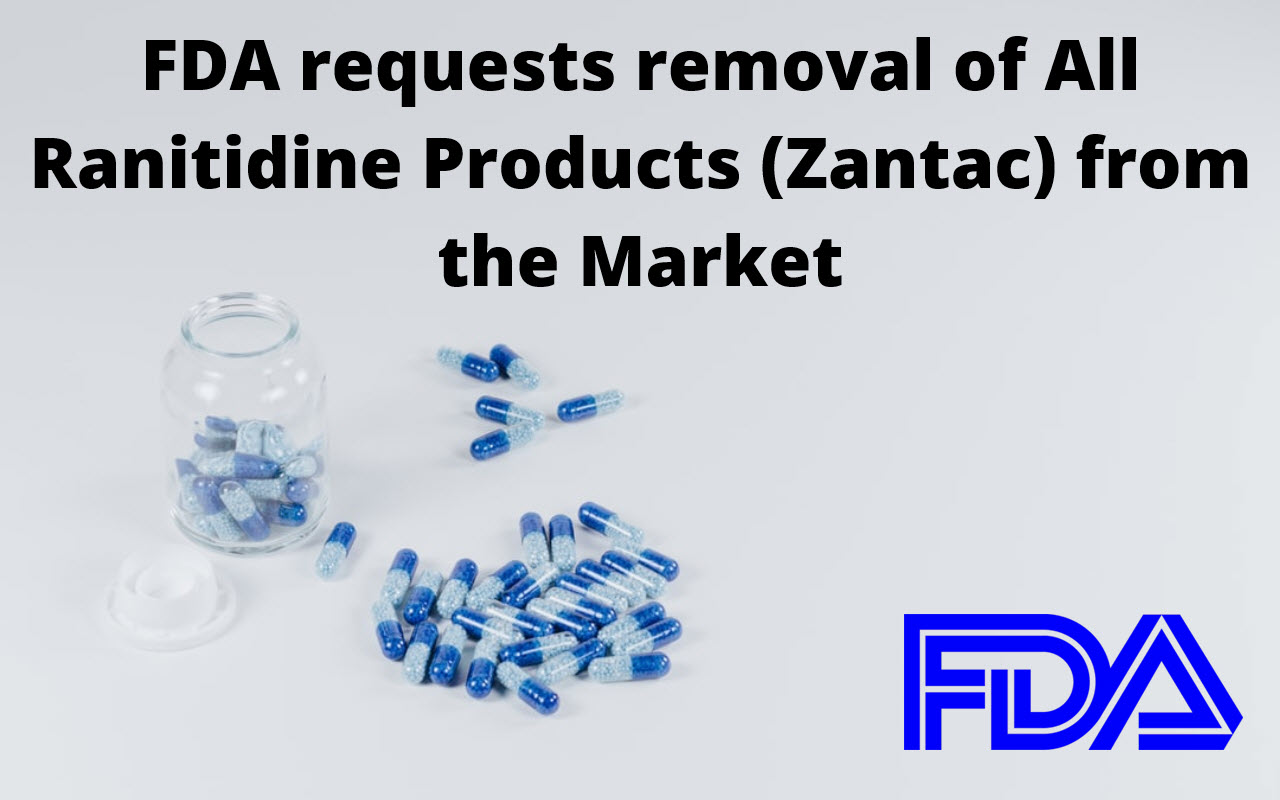
  • The U.S. Food and Drug Administration has learned that some ranitidine medicines, including some products commonly known as the brand-name drug Zantac, contain a nitrosamine impurity called N-nitrosodimethylamine (NDMA) at low levels.

    NDMA is classified as a probable human carcinogen (a substance that could cause cancer) based on results from laboratory tests. NDMA is a known environmental contaminant and found in water and foods, including meats, dairy products, and vegetables.

  • The U.S. Food and Drug Administration approved Nourianz (istradefylline) tablets as an add-on treatment to levodopa carbidopa in adult patients with Parkinsons disease (PD) experiencing off episodes. An off episode is a time when a patient’s medications are not working well, causing an increase in PD symptoms, such as tremor and difficulty walking.

    According to the National Institutes of Health, PD is the second-most common neurodegenerative disorder in the U.S. after Alzheimer’s disease. An estimated 50,000 Americans are diagnosed with PD each year, and about one million Americans have the condition. The neurological disorder typically occurs in people over age 60, although it can occur earlier. It happens when cells in the brain, which produce a chemical called dopamine, become impaired or die. Dopamine helps transmit signals between the areas of the brain that produce smooth, purposeful movements – such as eating, writing, and shaving. Early symptoms of the disease are subtle and typically worsen gradually; however, the disease progresses more quickly in some people than in others.

    The effectiveness of Nourianz in treating "off" episodes in patients with PD who are already being treated with levodopa/carbidopa was shown in four 12-week placebo-controlled clinical studies that included a total of 1,143 participants. In all four studies, patients treated with Nourianz experienced a statistically significant decrease from baseline in daily “off” time compared to patients receiving a placebo. 

    The most common adverse reactions observed in patients taking Nourianz were involuntary muscle movement (dyskinesia), dizziness, constipation, nausea, hallucination and sleeplessness (insomnia).  Patients should be monitored for development of dyskinesia or exacerbation of existing dyskinesia. If hallucinations, psychotic behavior, or impulsive/compulsive behavior occurs, a dosage reduction or stoppage of Nourianz should be considered. Use of  Nourianz during pregnancy is not recommended. Women of childbearing potential should be advised to use contraception during treatment.


    << Back to Pharma News

    Subscribe to PharmaTutor News Alerts by Email

Subscribe to USFDA