
Get the latest news from world and India’s leading pharmaceutical companies Pharma Industry, pharmaceutical marketing, generic drugs, and Complete news for Pharmacy and Life Sciences professionals.

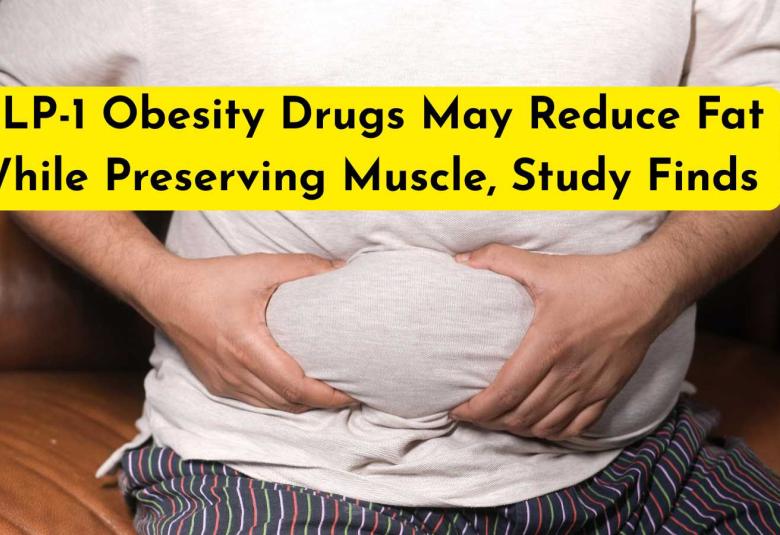
  • GLP-1 Obesity Drugs May Reduce Fat While Preserving Muscle, Study Finds

    A new real-world study presented at the European Congress on Obesity 2026 suggests that popular obesity medications such as semaglutide and tirzepatide may help patients lose mostly fat while preserving much of their muscle mass.

  • Heart Attack Survivors May Face Faster Memory Decline, New Study Warns
    Heart Attack Survivors May Face Faster Memory Decline, New Study Warns

    People who have survived a heart attack could be at a greater risk of experiencing faster declines in memory and thinking abilities as they age, according to a new study published in the journal Stroke.

    Researchers found that adults with a prior heart attack had a significantly higher likelihood of developing cognitive impairment over time compared to individuals without a history of heart attack. The findings highlight a growing connection between heart health and brain health, especially among older adults.

  • FDA Approves BeOne’s BEQALZI for Blood Cancer
    FDA Approves BeOne’s BEQALZI for Blood Cancer
    BeOne Medicines Ltd. a global oncology company, today announced that the U.S. Food and Drug Administration (FDA) has granted accelerated approval to BEQALZI™ (bee-KAHL-zee; sonrotoclax), a foundational, next-generation BCL2 inhibitor, for the treatment of adult patients with relapsed or refractory (R/R) mantle cell lymphoma
  • AstraZeneca’s Imfinzi Combination Shows Survival Benefit in Bladder Cancer Trial
    AstraZeneca’s Imfinzi Combination Shows Survival Benefit in Bladder Cancer Trial
    High-level results from a planned interim analysis of the VOLGA Phase III trial showed perioperative treatment with Imfinzi (durvalumab) in combination with neoadjuvant enfortumab vedotin (EV) demonstrated statistically significant and clinically meaningful improvements in event-free survival (EFS) and overall survival (OS) in patients with muscle-invasive bladder cancer (MIBC) versus standard of care.
  • Blocking TGF-β Signaling May Strengthen Efficacy of Osteoporosis Therapy
    Blocking TGF-β Signaling May Strengthen Efficacy of Osteoporosis Therapy

    A recent mouse model based study suggests that blocking TGF-β may improve osteoporosis treatment by helping quiescent osteoblasts in inactive bone surfaces return to an active state. Using spatial transcriptomics, single-cell analysis, and functional experiments, researchers identified TGF-β signaling as a regulator of osteoblast activation. In a bone-loss mouse model, dual inhibition of TGF-β and sclerostin increased bone mass more effectively than sclerostin inhibition alone, highlighting a promising combination strategy.

  • Garlic-Derived Compound Shows Potential to Improve Muscle Health During Aging
    Garlic-Derived Compound Shows Potential to Improve Muscle Health During Aging

    A surprising breakthrough in anti-aging research raises hopes of delaying muscle aging and weakness by harnessing the potential of a garlic-derived compound, S-1-propenyl-L-cysteine (S1PC). Researchers identify a key role for S1PC in orchestrating a key inter-organ communication between fat tissue and the hypothalamus in the brain, thus supporting muscle function in aged mice. Elements of this signaling mechanism were also observed in humans, highlighting the potential of S1PC-based anti-aging interventions.

  • What Lies behind Hereditary Heart Rhythm Disorders
    What Lies behind Hereditary Heart Rhythm Disorders

    Short QT syndrome is a genetic disease that leads to sudden cardiac death at a young age. Mutations in the SLC4A3 gene, which regulates bicarbonate-chloride exchange, were recently described as a potential cause. An international research team including a group from Ruhr University Bochum, Germany, investigated this possibility. The researchers discovered how different variants of the gene affect heart muscle cells: Specifically, the pH level increased and the flow of ion channels was altered. This insight could aid in providing better personal care for persons affected by the disease.

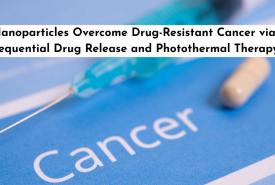
  • Nanoparticles Overcome Drug-Resistant Cancer via Sequential Drug Release and Photothermal Therapy
    Nanoparticles Overcome Drug-Resistant Cancer via Sequential Drug Release and Photothermal Therapy

    Cancer cells frequently develop the ability to expel anticancer drugs before they can work -- a phenomenon called multidrug resistance (MDR) - which is one of the leading reasons why chemotherapy fails in patients. This research addresses that problem with a fundamentally new strategy: instead of simply increasing drug doses or switching drugs, researchers engineered nanoparticles that first disable the cancer cell's drug-expulsion mechanism, and only then release the anticancer drug.

  • BIZENGRI Receives FDA National Priority Voucher for NRG1+ Cholangiocarcinoma
    BIZENGRI Receives FDA National Priority Voucher for NRG1+ Cholangiocarcinoma

    Partner Therapeutics, Inc. (PTx), a private, fully integrated biotechnology company, today announced that the U.S. Food and Drug Administration (FDA) has awarded a Commissioner’s National Priority Voucher (CNPV) pilot program voucher for BIZENGRI® (zenocutuzumab-zbco) for the treatment of adults with advanced, unresectable or metastatic cholangiocarcinoma harboring a neuregulin 1 (NRG1) gene fusion with disease progression on or after prior systemic therapy.

  • Moderna Publishes Phase 3 Data for Experimental Flu Vaccine mRNA-1010
    Moderna Publishes Phase 3 Data for Experimental Flu Vaccine mRNA-1010

    Moderna, Inc. announced a publication in the New England Journal of Medicine of the positive Phase 3 study results evaluating mRNA-1010, its vaccine candidate for seasonal influenza. The peer-reviewed article summarizes the safety and efficacy data from Moderna's Phase 3 study (P304) evaluating the relative vaccine efficacy (rVE) of mRNA-1010 against influenza illness compared to a licensed standard-dose seasonal influenza vaccine in adults aged 50 years and older.

Subscribe to Pharma News